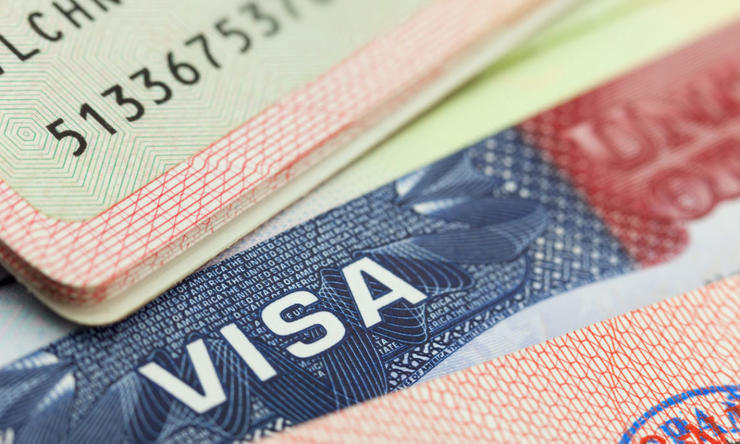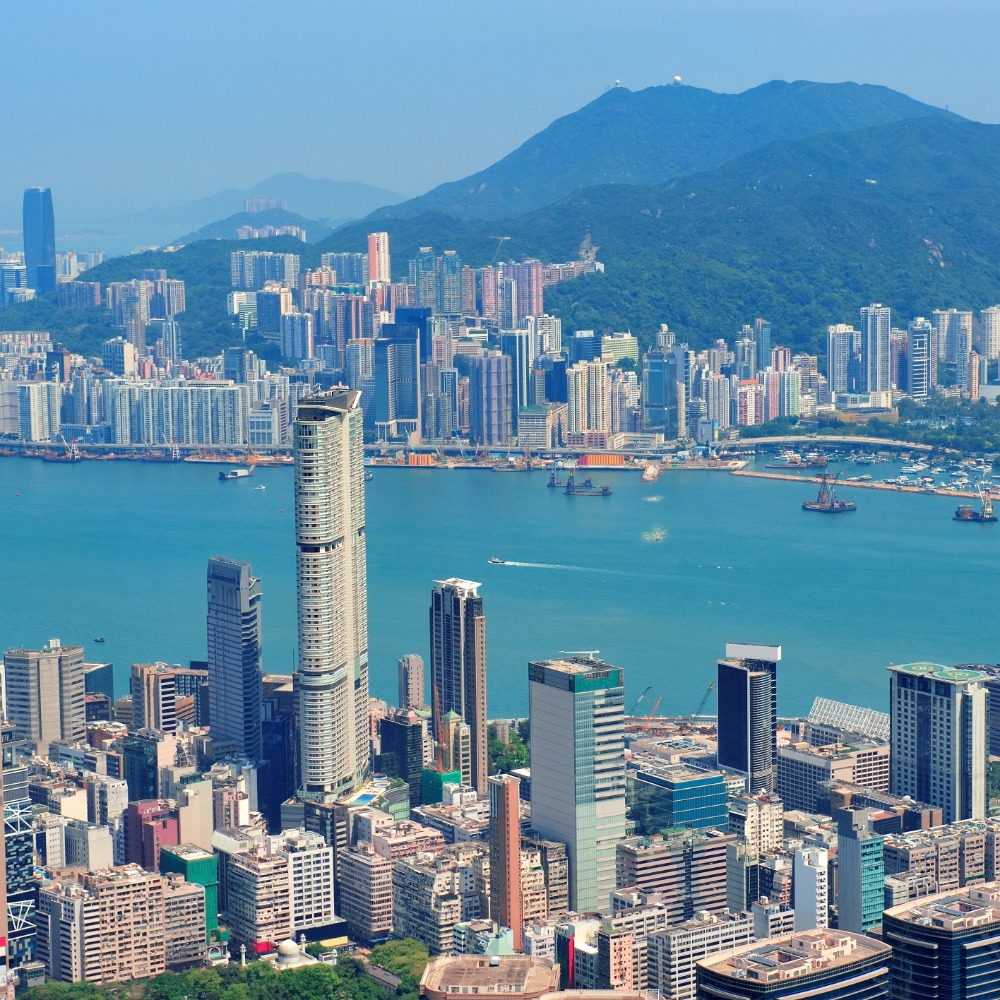
Which Business Activities Require a License for a Hong Kong Company?

business_activity

First, a crucial distinction: every business operating in Hong Kong must obtain a Business Registration Certificate under the Business Registration Ordinance (Cap. 310). This is a basic requirement for all companies, not a license to conduct a specific regulated activity.


However, depending on the nature of your business, you may need additional government licenses, permits, certificates, or approvals beyond the standard business registration. The requirement for a license arises from the nature of your business activity.


Financial Services and Securities


Securities and Futures Commission (SFC) Regulated Activities


The Securities and Futures Ordinance (SFO) defines 13 types of regulated activities that require an SFC license:

Type Regulated Activity
Type 1 Dealing in securities
Type 2 Dealing in futures contracts
Type 3 Leveraged foreign exchange trading
Type 4 Advising on securities
Type 5 Advising on futures contracts
Type 6 Advising on corporate finance
Type 7 Providing automated trading services
Type 8 Securities margin financing
Type 9 Asset management
Type 10 Providing credit rating services
Type 11 Dealing in OTC derivative products or advising on OTC derivative products
Type 12 Providing client clearing services for OTC derivative transactions
Type 13 Providing depositary services for relevant collective investment schemes


Broadly speaking, you need an SFC license if you are a corporation carrying on a business in a regulated activity in Hong Kong, or actively marketing such services to the Hong Kong public. License applications typically take approximately 15 weeks for a licensed corporation.


Banking and Deposit-Taking


Engaging in retail and wholesale banking activities — including operating current and deposit accounts — requires authorization by the Hong Kong Monetary Authority (HKMA) under the Banking Ordinance. Hong Kong operates a three-tier authorization regime covering licensed banks, restricted license banks, and deposit-taking companies.


Money Lending


Any person carrying on business as a money lender in Hong Kong must obtain a money lender’s license under the Money Lenders Ordinance (Cap. 163). The license is valid for 12 months and must be renewed before expiry. Operating without a license is a criminal offense.


Insurance


Insurance companies must be authorized by the Insurance Authority (IA) to carry on insurance business in Hong Kong. Insurance intermediaries (agents and brokers) must also hold valid licenses under the Insurance Ordinance.


Food and Beverage Businesses


The Food and Environmental Hygiene Department (FEHD) is the licensing authority for food businesses in Hong Kong. The following establishments require licenses:

· Restaurants (general and light refreshment)
· Food factories
· Fresh provision shops
· Bakeries
· Factory canteens
· Siu mei and lo mei shops
· Frozen confection factories
· Milk factories
· Cold stores
· Composite food shops


Additionally, permits are required for selling restricted foods, including:

· Frozen confections, milk, non-bottled drinks, Chinese herb tea
· Cut fruit, sushi, sashimi, oysters, and meat to be eaten raw
· Food sold from vending machines


Liquor licenses are also required to sell liquor for consumption on premises, issued by the Liquor Licensing Board.


Travel Agencies


Under the Travel Industry Ordinance (Cap. 634), no person may carry on travel agent business without a travel agent license from the Travel Industry Authority (TIA).


A person carries on travel agent business if they obtain for another person carriage or accommodation outside Hong Kong (outbound), or provide services to visitors in Hong Kong (inbound).


Licensing requirements are substantial: travel agents typically need HK500,000 bank guarantee. The TIA license application realistically takes eight to 16 weeks. Operating without a license is an offense.


Import and Export


While general trading companies do not require a specific license, certain goods are controlled under the Import and Export Ordinance (Cap. 60).


A license from the Director-General of Trade and Industry is required for the import, export, re-export, or transshipment of:

· Strategic commodities (based on international export control regimes)
· Endangered species (animals and plants)
· Pharmaceutical products and certain chemicals
· Hazardous chemicals
· Ozone-depleting substances
· Waste


Hotel and Guesthouse Accommodation


Under the Hotel and Guesthouse Accommodation Ordinance (Cap. 349), operating a hotel or guesthouse requires a license from the Licensing Authority. This applies regardless of whether the premises are located in commercial or residential buildings.


Education and Training


Establishing a school in Hong Kong requires a Certificate of Registration of a School from the Education Bureau under the Education Ordinance.


For non-local courses, course providers must register each course with the Registry at least four months before commencement.


Construction and Building Contractors


Contractors engaged in construction work in Hong Kong must be registered with the Buildings Department. Registration categories include:

· General Building Contractors (RGBC)
· Specialist Contractors (RSC)
· Registered Minor Works Contractors (RMWC)


Applicants must hold a valid Business Registration Certificate, appoint an Authorized Signatory, and appoint qualified personnel.


Broadcasting and Telecommunications


The Communications Authority regulates the broadcasting and telecommunications industries under the Broadcasting Ordinance (Cap. 562) and the Telecommunications Ordinance (Cap. 106). Licenses are required for:

· Domestic free/pay television program services
· Sound broadcasting services
· Telecommunications services and facilities


Other Trades Requiring Licenses


The FEHD also issues trade licenses for operating:

· Places of public entertainment (theatres, cinemas, entertainment machine centres)
· Commercial bathhouses
· Private swimming pools
· Funeral parlours and undertaker businesses
· Slaughterhouses
· Offensive trades


Key Considerations


  1. “Fit and Proper” Requirements
    Many licensing regimes require applicants to meet “fit and proper” criteria, demonstrating suitability in terms of character, qualifications, and experience.
  2. Multiple Licenses
    A single business may require multiple licenses. For example, a restaurant serving liquor needs both a food business license and a liquor license.
  3. Provisional Licenses
    Some licensing authorities offer provisional licenses to allow businesses to commence operations while completing outstanding requirements.
  4. Ongoing Compliance
    Licensed businesses must maintain compliance with ongoing obligations, including reporting requirements, fee payments, and adherence to codes of conduct.
  5. Penalties for Non-Compliance
    Operating a regulated activity without the required license can result in criminal liability, fines, and even imprisonment.

How to Check Licensing Requirements


The Hong Kong government provides a Business Licensing Information Service where entrepreneurs can search online for the specific government licenses, permits, certificates, or approvals required for their intended business operations.


Hong Kong maintains a licensing regime that covers a broad spectrum of business activities — from financial services and food businesses to travel agencies and construction contractors. While the city is known for its business-friendly environment, these licensing requirements exist to protect public health, safety, and the integrity of the financial system.


Before launching any business in Hong Kong, it is essential to:

  1. Determine whether your intended activities fall within any regulated category
  2. Identify the relevant licensing authority
  3. Factor licensing timelines and costs into your business plan
  4. Ensure ongoing compliance with license conditions

When in doubt, seek professional legal advice — the consequences of operating without a required license can be severe, and the licensing landscape is subject to change as regulations evolve.

Work Visa for Foreigners in a Guangzhou Company – 2026 Requirements

visa
  1. Who Needs a Work Visa (Z-Visa)?

Any foreign national intending to work in China — whether employed by a local company, seconded, or engaged in remunerated activities — must obtain a Z-visa before entering the country. Tourist (L) or business (M) visas cannot be used for actual work; doing so is illegal and can result in fines, deportation, or blacklisting.


  1. The Three-Tier Classification System

China classifies foreign workers into three categories, each with different requirements:


Category Criteria Features


A (High-End Talent) Globally recognized experts, Nobel laureates, highly skilled innovators, or年薪 ≥ RMB 600,000 No age limit;绿色通道, fast-track approval; work permit valid 2–5 years
B (Professional Talent) Bachelor’s degree + 2 years relevant experience, or master’s degree holders Age limit aligned with China’s statutory retirement age; most common category; salary floor applies
C (Other/Ordinary) Meets specific labor shortages, certain fresh graduates Stricter approval, quota-limited


  1. Employer Requirements (Company Qualifications)

Before hiring foreign staff, the employing company must meet these conditions:

· Legally registered in Guangzhou with the Market Supervision Administration, in good standing
· Physical business premises – virtual addresses or shell companies are rejected (on-site inspections may occur)
· Valid tax record – regular filings required (new companies excepted)
· Genuine need for foreign hires – positions must require specific skills, language abilities, or technical expertise not readily available locally
· “Foreign Employment Qualification” must be registered in the Foreigners Working in China Management Service System before any application


  1. Foreign Employee Requirements

Individual applicants must satisfy these basic conditions:

· Age: at least 18 years old
· Health: physically fit (confirmed by designated medical examination)
· Criminal record: clean, with certificate issued by home country (valid 6 months) and legalized/apostilled
· Passport: valid for at least 6 months
· Job offer: a formal employment contract with a compliant Guangzhou company
· Qualifications: relevant skills and work experience matching the position

Work experience exemption applies to outstanding graduates with master’s or doctoral degrees from prestigious domestic or overseas universities who have secured employment.


  1. Step-by-Step Application Process

The process is divided into pre-entry and post-entry stages:


Pre-Entry (Outside China)

Step Authority Estimated Time


Employer registers in the Foreigners Working in China Management Service System Guangzhou Science and Technology Bureau 5–10 working days

Apply for Work Permit Notification – online submission Guangzhou Science and Technology Bureau 5–7 working days

Apply for Z-visa at Chinese embassy/consulate abroad using the Notification Chinese diplomatic mission 5–10 working days

Post-Entry (Within China)


Foreigners must enter on the Z-visa and complete the following within 30 days:

· Register residence at local police station within 24 hours of arrival
· Undergo medical examination at a designated Guangzhou hospital (Guangdong International Travel Health Care Center)
· Apply for Foreigner’s Work Permit Card (employer submits within 15 days of entry)
· Apply for Work-Type Residence Permit at Guangzhou Public Security Bureau


Total timeline: officially ~37 working days; realistically 4–8 weeks. Start preparations at least 2–3 months in advance.


  1. Costs in 2026

Government Fees (Self-Application)

Item Cost Notes
Work Permit Notification Free Online system
Z-visa application ~USD 140 Collected by embassy/consulate
Work Permit Card Free First-time application
Work-Type Residence Permit RMB 800/year Prorated for shorter periods
Medical Examination RMB 400–600 Designated Guangzhou hospital

Government fees total: approximately RMB 2,000–3,000.


Hidden Costs (Self-Application)


Item Estimated Cost
Academic certificate notarization + apostille RMB 500–2,000
Criminal record certificate notarization + apostille RMB 500–1,500
Document translation RMB 200–800
International courier RMB 200–500
Re-submission due to errors RMB 500–3,000

Total self-application cost (including hidden costs): approximately RMB 4,000–8,000.


  1. Special Guangzhou – Foshan Mutual Recognition (2026)

From 2026, Guangzhou and Foshan have introduced cross-city mutual recognition for foreign work permits — the first such initiative in the Guangdong-Hong Kong-Macao Greater Bay Area.

Key facilitations:

· Academic certificates fully exempt from resubmission when transferring between cities
· Work experience proof waived if job position remains unchanged
· For intra-company transfers, criminal record and medical certificates waived if reapplication occurs within 30 days


8. Salary Requirements

· Category B professionals: monthly salary should not be lower than Guangzhou’s average for similar positions — approximately RMB 15,000/month as a 2026 reference line
· Category A (high-end talent): annual salary generally ≥ RMB 600,000
· When salary thresholds are calculated as multiples of average social wage, Guangdong Province’s previous year’s urban employee average applies


9. Common problems to avoid.

  • Wrong visa type – using M or L visa for paid work is illegal
  • Incomplete or uncertified documents – all foreign documents need apostille/notarization and certified Chinese translation
  • Salary below threshold – triggers “fake employment” suspicion
  • Late residence registration – must be completed within 24 hours of arrival
  • Employer non-compliance – virtual addresses, shell companies, or poor tax records will be rejected
  • Timing mismanagement – certification of foreign documents can take 2–6 weeks and cannot be expedited


  1. Key Takeaways for 2026

· Start early – allow at least 2–3 months for the full process
· Ensure employer compliance – the company’s qualifications are as important as the employee’s
· Budget realistically – self-application RMB 4,000–8,000; agency-assisted RMB 7,000–23,000
· Leverage Guangzhou-Foshan mutual recognition if transferring between these cities
· Salary matters – RMB 15,000/month is the 2026 reference floor for Category B professionals
· Take advantage of the 25% visa fee discount available through December

Why Your WFOE in China Needs a Financial Controller

representative

Operating a Wholly Foreign-Owned Enterprise (WFOE) in China presents unique financial and regulatory challenges that differ significantly from those in Western markets. While many foreign founders focus on legal structures and business licenses, the appointment of a competent Financial Controller (or Finance Responsible Person) is one of the most critical decisions for long-term success.


Here is why a Financial Controller is indispensable for your China operations.


  1. Navigating Complex Regulatory Compliance

China’s regulatory environment is rigorous and constantly evolving. A WFOE must fulfill monthly accounting requirements, file monthly and quarterly returns, and provide annual audits and tax filings to authorities. Non-compliance can lead to penalties, on-site inspections, blacklisting, and even restrictions on company operations.


The Financial Controller ensures your WFOE adheres to:


· Corporate Income Tax (CIT) – default rate of 25% of taxable profit
· Value-Added Tax (VAT) and Individual Income Tax (IIT) for both local and expatriate employees
· Monthly and quarterly return filings with tax authorities
· Annual audit and tax reconciliation requirements


The Finance Responsible Person must be registered with the Tax Bureau and is personally accountable for ensuring the WFOE adheres to all tax rules. Under the PRC Company Law, financial officers are classified as “senior officers” and can be held personally liable for violations.


  1. Strategic Tax Optimization

China’s tax system comprises 25 types of taxes across eight categories. A skilled Financial Controller identifies legitimate tax-saving opportunities:

· High and New Technology Enterprise (HNTE) status – reduces CIT from 25% to 15% on qualifying income
· Transfer pricing compliance – ensuring intra-group transactions meet China’s strict “arm’s length” requirements
· Withholding tax optimization – structuring profit repatriation to minimize tax leakage
· R&D super-deductions and other industry-specific incentives


Without proper tax planning, WFOEs commonly overpay taxes or, worse, trigger costly tax audits and penalties.


  1. Ensuring Accurate Financial Reporting

Your WFOE must maintain accounting records that comply with PRC Accounting Standards while also meeting the reporting requirements of your global headquarters.


The Financial Controller:

· Oversees the monthly, quarterly, and annual closing process
· Ensures accuracy and timeliness of all financial reports
· Manages the annual statutory audit required by Chinese law
· Bridges the gap between Chinese GAAP and international standards (IFRS/US GAAP)


This dual reporting capability is essential for maintaining transparency with both Chinese authorities and international stakeholders.


  1. Managing Cash Flow and Foreign Exchange

WFOEs typically maintain both RMB accounts for local transactions and foreign currency accounts for cross-border activities and capital contributions. China’s strict foreign exchange controls require careful navigation.


The Financial Controller:

· Manages cash flow forecasting to ensure sufficient liquidity
· Handles foreign exchange exposure and currency risk
· Oversees profit repatriation to headquarters
· Ensures compliance with SAFE (State Administration of Foreign Exchange) regulations


Given that WFOEs often engage in cross-border trade and financial operations, experienced management of FX and repatriation strategies is critical.


  1. Supporting Strategic Decision-Making

Beyond compliance and reporting, a Financial Controller provides the financial intelligence needed for sound business decisions:

· Budgeting and forecasting – developing annual plans aligned with strategic goals
· Cost control and profitability analysis – identifying areas for operational improvement
· Investment analysis – evaluating new projects, expansions, or acquisitions
· Risk management – identifying and mitigating financial risks


The Financial Controller works closely with the General Manager and Board to implement the company’s annual operational and investment plans.


  1. Cost-Effective Solutions for SMEs

Hiring a full-time CFO in China requires a full salary and additional costly benefits. For small and medium-sized WFOEs, this can be prohibitively expensive.


Alternative solutions include:

· Shared CFO services – accessing experienced financial expertise at a fraction of the cost, with services available on an hourly, project-based, or retainer basis
· Part-time Financial Controllers – ideal for early-stage WFOEs with limited complexity


These models deliver high-level financial expertise without the overhead of a full-time executive.


The Financial Controller is not merely a “nice-to-have” for your China WFOE – it is a strategic necessity. From ensuring regulatory compliance and optimizing tax exposure to managing cash flow and supporting growth decisions, this role protects your business from legal and financial pitfalls while positioning it for sustainable success in one of the world’s most dynamic markets.


For most foreign-invested enterprises, the question is not whether you need a Financial Controller, but how to structure the role – whether full-time, shared, or outsourced – to best meet your specific business needs and budget.

香港公司印章:法律要求

香港的公司印章要求在2014年《公司條例》改革後發生了重大變化,但企業主中仍普遍存在困惑。本指南將解釋法律的具體規定、您需要哪些印章,以及如何有效管理公司手續。


歷史背景


根據之前的《公司條例》(第32章),每家香港公司都必須在法律上持有一個法團印章,印章上須以可讀字符刻有公司名稱。這種金屬印章對於簽立契據、發行股票證書及其他重要文件至關重要。


然而,隨著新《公司條例》(第622章)於2014年3月3日生效,強制性要求被廢除。新條例第124(1)條規定,持有和使用法團印章現已完全屬於自願行為。沒有任何香港公司在法律上被要求必須取得或使用法團印章。


什麼是法團印章?


法團印章(也稱公司印章)是一種金屬壓印印章,用於認證商業文件,在紙上留下凸起印記。傳統上,它作為公司在契據、股票證書和重要協議等法律文件上的正式實體簽名。


如果公司選擇保留法團印章,《公司條例》第124條設定了兩項要求:印章必須為金屬材質,且公司名稱必須以雕刻方式呈現——而非印刷或貼標。


簽立文件的替代方式


自2014年改革以來,公司可以在不使用任何印章的情況下合法簽立文件。《公司條例》第127(3)條規定了以簽名為基礎的替代方式:

· 對於只有一名董事的公司:文件可由該唯一董事代表公司簽署
· 對於有兩名或以上董事的公司:文件可由兩名董事簽署,或由一名董事連同公司秘書簽署


以此方式簽署的文件具有與在法團印章下簽立相同的法律效力。即使是契據,也可以使用這些簽名方式在無印章的情況下簽立。


香港公司印章的類型


雖然法律上並非必需,但以下幾種印章在香港商業實踐中仍然常見:

法團印章(金屬壓印章)。最正式的簽立工具,傳統上用於契據和重要法律文件。其使用是自願的,並受公司章程細則的規管。


正式印章。用於在香港以外地區有業務運營的公司,允許分公司或代表處代表總公司簽立文件。


證券印章。專門用於發行股票證書和證券的印章,可能包含額外的防偽特徵。


長方形公司印章(簽名章)。日常運營中最常用的格式,通常包含「For and on behalf of」(代表)字樣,後接公司名稱及授權簽名位置。此印章通常與董事簽名一起用於合同和正式信函。


圓形公司印章。此印章通常僅包含公司名稱

(英文、中文或中英對照),常用於行政目的、日常確認及回執,而非正式簽立。


註冊要求


香港的公司印章和戳記無需向政府部門註冊。它們可以通過商業印章製作商製作。但如果公司選擇採用或取消法團印章,其程序由公司自行決定,並須參考公司章程細則中的適用條款及通常的公司慣例。


對外國企業的實際考慮


儘管印章在法律上並非必需,但以下幾點實際原因解釋了為何許多公司仍繼續使用它們:

銀行和物業交易。本地及海外銀行在開戶或貸款時仍可能要求提供蓋章文件。涉及契據的物業交易通常保留正式簽立要求。


投資者或合作夥伴的偏好。一些投資者,尤其是來自傳統行業的投資者,可能期望合同或股東協議加蓋正式印章。


與中國內地的業務往來。當與內地合作夥伴打交道時,使用印章有助於表明文件的真實性並滿足監管期望。在中國內地,公司印章是官方商業程序中的法定要求。


形式上的正式感。蓋章文件增添了一層被認可的真實性和專業性,尤其是在與習慣於使用印章的亞洲交易對手打交道時。


治理與最佳實踐


如果您的公司決定保留印章,良好的治理至關重要:

· 授權。印章的使用權限應僅限於授權人員,其使用應受內部規程規管。濫用或未經授權蓋章可能使公司面臨法律風險。
· 董事會決議。董事會決議應明確印章何時及如何使用,例如要求由兩名高級人員共同授權。
· 安全存放。將印章存放於安全地點,最好上鎖保管,並保留使用日誌,記錄每次用印的時間、文件及見證人。


何時選擇法團印章


對於大多數在香港設立公司的外國創始人來說,法團印章並非必需。但在以下情況下,您可能仍需要它:

· 特定銀行、投資者或海外交易對手要求某些文件必須蓋章
· 您的業務經常與內地實體往來
· 您在傳統行業運營,印章仍屬慣例


自2014年《公司條例》改革以來,香港對公司印章的法律要求已大幅放寬。雖然印章仍屬自願選擇,但了解其正確使用和治理對於任何在香港運營或與香港有業務往來的公司都十分重要。是否保留法團印章應基於實際業務需求——主要是銀行要求、交易對手期望和跨境業務——而非法律義務。

或更正式:哪些人需要香港簽證?

香港是全球最便捷的旅行目的地之一,但您是否需要簽證完全取決於您的國籍、訪問目的以及計劃停留的時間。本指南將幫助您快速了解哪些人進入香港需要簽證。


🌍 一般規定:短期停留免簽證


對於旅遊、商務會議或探親等短期訪問,大多數國家和地區的國民不需要簽證。根據香港旅遊發展局的數據,多數國家/地區的公民可以免簽證入境,允許停留時間從7天到180天不等,具體取決於訪客的國籍。在這一寬鬆的免簽制度下,英國公民可停留最多180天,而美國、加拿大、澳洲、紐西蘭和新加坡的公民則可停留最多90天。


快速參考:部分國籍免簽證停留期限


停留期限 國家/地區(示例)
最長180天 英國
最長90天 美國、加拿大、澳洲、紐西蘭、新加坡、大多數歐盟國家、智利
最長30天 巴林、白俄羅斯、玻利維亞、巴西、以色列、南非
最長14天 阿爾巴尼亞、阿爾及利亞、不丹、貝寧、波斯尼亞和黑塞哥維那
最長7天 中國內地護照持有人(過境)


🚨 哪些人需要簽證?


任何不符合免簽待遇,或其計劃活動超出旅遊或短期商務差旅範圍的外國國民,均需申請簽證或入境許可。具體而言,以下情況需要簽證:

  1. 不在免簽名單上的國家/地區的國民。包括與香港沒有免簽安排的國家,如阿富汗、孟加拉國、尼泊爾、尼日利亞、巴基斯坦、索馬里、斯里蘭卡和越南等。
  2. 長期停留或特定目的。任何希望停留超過免簽許可期限,或擬在香港工作、學習、創業或居住的人,必須在出發前取得相應的簽證或入境許可。
  3. 中國內地居民。持有中華人民共和國護照的中國公民,若停留超過7天或目的非過境,須取得入境許可。持有《中華人民共和國旅行證》者,無論停留期限或目的如何,均須取得入境許可。

🔍 特殊情況和例外


除標準規定外,還有若干特殊類別和簡化程序值得注意。


印度國民——預辦入境登記(PAR)

印度護照持有人可通過名為「預辦入境登記」(Pre‑Arrival Registration, PAR)的簡化網上程序辦理。該系統取代了傳統旅遊簽證申請。該服務免費,全程在線完成,通常在數分鐘至48小時內獲批。成功申請人須打印登記確認書,可在香港停留最多14天。


亞太經合組織商務旅行卡(ABTC)


商務旅客可使用亞太經合組織商務旅行卡(ABTC)大幅簡化亞太地區的旅行。對於短期商務訪問,ABTC通常允許持卡人免額外簽證進入包括香港在內的參與經濟體。該卡通常有效期為5年,每次訪問可停留2至3個月,並可在主要機場使用專用快速通關通道。


落地簽證


雖然較為少見,但落地簽證通常不是香港的標準入境方式。然而,香港居民的情況則相反:截至2026年4月,已有175個國家和地區給予香港特別行政區護照持有人免簽證或落地簽證待遇。例如,香港特區護照持有人現可在斯里蘭卡預先在線登記電子旅行授權(ETA)後,獲得最多30天的落地簽證。


📄 如何申請香港簽證


對於需要簽證的人士,申請流程集中且明確。


· 處理時間:入境事務處在收到全部所需文件後,通常需要約4週處理訪港/過境簽證申請。
· 申請表格:訪港/過境的標準表格為ID 1003A。可從入境事務處網站下載,或從中國駐外使領館獲取。
· 提交方式:申請必須在旅行前提交至香港入境事務處或中國駐外使領館。


✈️ 順利入境小貼士


為確保抵達香港時順暢無阻,請注意以下事項:

· 查閱官方渠道:始終通過香港入境事務處官網或最近的中國駐外使領館等官方渠道核實您的具體簽證要求。
· 常旅客使用e‑道:符合免簽入境資格,並在過去12個月內曾三次或以上無問題訪港的常旅客,可登記使用自動e‑道,加快出入境通關。
· 無需填寫入境卡:所有訪客不再需要填寫或提交入境/離境卡,流程更加簡化。


如果您希望更詳細地了解特定簽證類型——如工作、學習或投資簽證——請隨時告知,我可提供更具針對性的指南。

中國虛擬辦公室

對於希望進入中國市場的外國企業家和公司,上海、北京和深圳等主要城市的實體辦公室租金高昂,可能成為一大障礙。在上海中央商務區,一間25平方米的辦公室每月租金往往超過2,000美元。虛擬辦公室則提供了一種極具吸引力的替代方案,以極低的成本為企業提供 prestigious 地址和必要的行政服務。


中國的虛擬辦公室是什麼?


虛擬辦公室為企業提供專業的地址和行政支援,而不需要實際的辦公空間。服務通常包括:

· 在中國主要城市的 prestigious 商業地址
· 郵件處理和轉寄
· 帶專業電話接聽的本地專用電話號碼
· 按需使用會議室和聯合辦公空間
· 行政支援服務


需要注意的是,中國的「虛擬辦公室」並非純數位地址。這些辦公室設立於實體地點——通常是經地方政府批准的集中公司註冊區域或聯合辦公空間——可作為合法的商業地址使用。


法律與合規注意事項


在中國使用虛擬辦公室,最關鍵的一點是了解法律環境。根據《中華人民共和國公司法》,每家公司必須有一個對應法人實體的註冊地址。


城市特定規定: 各地區對虛擬辦公室的接受程度差異很大。上海和深圳通常較為靈活,而北京則嚴格得多。在北京,市場監管部門現在要求在租賃合同上提供可驗證的25位房產編碼(不動產單元號),而大多數廉價的虛擬地址不具備該編碼。


合規風險: 若未能維持合規的註冊地址,可能導致現場檢查、列入經營異常名錄以及公司經營受限。選擇虛擬辦公室時,務必確認其:

· 已在市場監督管理局正式備案
· 為實際存在的實體地點
· 被授權作為註冊地址使用


增值稅退稅與檢查: 涉及進出口業務並希望申請增值稅退稅的企業將面臨更嚴格的審查。稅務機關可能進行現場檢查,通常要求擁有至少30平方米的實體辦公室、經主管部門登記的租賃合同(正式「紅本」)、本地在冊員工以及實際經營活動的證據。


中國虛擬辦公室的優勢


成本效益


虛擬辦公室大幅降低管理費用。基礎虛擬辦公室套餐低至每月388元人民幣,而包含完整通訊服務的高級套餐每月約2,640元人民幣。這明顯比租賃傳統辦公室便宜,尤其是在黃金地段。


專業的商業形象


虛擬辦公室允許企業在 prestigious 的中央商務區(如北京的華貿中心、上海的陸家嘴金融區或深圳的福田區)擁有郵寄地址,而無需支付全額租金。這有助於提升在客戶和合作夥伴中的信譽。


靈活性


虛擬辦公室使企業能夠在關鍵市場建立據點,而無需長期租約或大量資本投入。許多服務商提供按月計費,並可根據業務需求變化靈活調整服務規模。


使用會議室設施


大多數虛擬辦公室套餐包含按需付費使用會議室和聯合辦公空間的權利,便於在需要時進行面對面的客戶會議。


中國主要虛擬辦公室服務商


國際運營商


Regus(IWG集團)——全球最大的服務式辦公室供應商,在中國覆蓋超過45個城市。Regus提供可用於公司註冊和客戶接待的虛擬辦公室服務,並擁有全球4,000多個地點的網絡支援。


Servcorp——高端服務商,位於北京的華貿中心、上海的花旗集團大廈等頂級寫字樓。其白金虛擬辦公室套餐包括 prestigious 地址、帶雙語前台接聽的本地電話號碼、郵件處理,以及每月四天免費使用私人辦公室。Servcorp在23個國家運營超過150個地點,服務超過50,000家企業。


WeWork——自2016年進入大中華區以來,WeWork已在上海、北京、廣州、深圳、杭州、蘇州和成都等主要城市開設約100個地點。WeWork提供虛擬辦公室解決方案,同時也有聯合辦公和私人辦公室選項。


區域及本地服務商


Conson Group(康宏集團)——專注於連接香港與中國內地的虛擬辦公室服務,在深圳、廣州、上海和北京設有分支機構。完整通訊套餐起價為每月464美元。


如何選擇合適的虛擬辦公室服務商


簽約前請詢問以下關鍵問題:

  1. 確切地址在哪裡?——核實建築和樓層。最好的服務商位於中央商務區的甲級寫字樓。要求實地考察或索取視頻參觀。
  2. 該地址是否可用於公司註冊?——向當地市場監督管理局核實。不同區域規定不同,廉價的虛擬地址可能直接被拒絕。
  3. 誰來接聽我的電話?——了解前台是內部員工還是外包人員,以及是否可以見面評估其專業程度。
  4. 網絡品質如何?——可靠、安全的互聯網至關重要。詢問ISP級別、正常運行時間保證和WiFi安全措施。
  5. 定價是否完全透明?——要求提供清晰的價目表,區分月費和其他附加費用。

實用建議與常見陷阱


核實服務商: 務必確保服務商合法合規,其地址已在當地主管部門正式備案。使用未經許可的服務商可能導致公司註冊申請被駁回。


核查您的行業類型: 某些行業——如餐飲、醫療保健或製造業——需要實際經營場所,無法使用虛擬地址註冊。


考慮退出策略: 如果您計劃申請增值稅退稅或擴展進出口業務,請考慮到您最終需要一個符合檢查要求的實體辦公室。


關注政策更新: 關注可能影響您所選城市虛擬辦公室使用的監管變化。今天適用的規定明天可能就會收緊。


中國的虛擬辦公室為初創企業、中小企業和外國公司提供了實用且高性價比的途徑,使其能夠在全球最大的市場之一建立業務。然而,成功取決於仔細審視法律要求、選擇信譽良好的服務商,並了解您希望註冊城市的特定規則。隨著中國靈活辦公空間市場預計在2030年前以超過5%的年複合增長率增長,虛擬辦公室模式很可能成為國際業務擴展中越來越重要的工具。


通過盡職調查並選擇提供真正合規註冊地址的服務商,您可以在無需承擔傳統辦公室高昂成本的情況下,享受黃金商業地段帶來的諸多益處。

什麼是僱主報稅表?


香港的僱主報稅表是稅務局(IRD)要求每位僱主提交的法定年度稅務文件。其主要目的在於申報在相關課稅年度(由4月1日至翌年3月31日)內,支付給所有僱員及董事的薪酬。這份由BIR56A及IR56B表格組成的文件,是稅務局準確評定每位僱員薪俸稅負債的法律依據。


這份報稅表並非單一文件,通常由兩個核心部分組成:
· BIR56A(「封面信」):一份確認僱主申報狀況的總括表格,用作對所有隨附IR56B表格作出法律聲明。即使公司沒有任何需要申報的僱員,也必須在BIR56A表格上的「沒有僱員」欄位剔選,進行「零申報」。
· IR56B(「明細表」):為每位特定僱員填報的個別表格,詳細列出支付給該員工的總收入,包括薪金、花紅、傭金、津貼及實物福利。


核心申報類別與關鍵期限


稅務局在每年4月1日向僱主發出年度報稅表(BIR56A)。僱主必須在發出日期起計一個月內(即約5月初)填妥並提交報稅表及所有IR56B表格。不過,僱主的責任不止於此。下表概述了在僱員不同階段需遵守的關鍵申報規定。


表格 目的 申報者 法定申報期限


IR56E 通知稅務局有新入職僱員 僱主 入職日期起3個月內
IR56F 申報僱員離職(但留港) 僱主 離職前不少於1個月
IR56B 為每名僱員申報年度薪酬 僱主 BIR56A發出後1個月內(通常在5月初)
IR56G 申報僱員將永久離開香港 僱主 離港前至少1個月,並須扣發最後薪金以待稅務局發出「同意釋款書」
IR56M 申報支付給非僱員服務提供者(如承辦商、自由職業者)的款項 付款人 / 僱主 與BIR56A及IR56B同時提交(即4月發出後1個月內)


違規的後果


未能履行這些責任可能會導致嚴重的處罰。根據《稅務條例》,遲交或錯誤申報的後果包括:
· 罰款:每份遲交或錯誤的報稅表最高可被罰款港幣10,000元。
· 每日罰款:對持續違規的行為,可能加徵每日罰款。
· 檢控:持續不遵守規定可被檢控,法庭可命令僱主在指定期限內完成之前未履行的行為。


履行您的責任


為避免這些處罰,僱主必須遵循最佳實務。積極主動地遵守法規是關鍵,這包括:
· 保存準確紀錄:稅務局要求僱主將薪酬紀錄保存至少 7年。這包括薪金記錄、強積金供款記錄、花紅發放記錄及僱傭合約。
· 完整申報:僱主必須為總收入超過指定限額的所有僱員申報薪酬,無論該僱員是在香港境內或境外履行職務。
· 準時提交:最重要的一步是遵守稅務局通知發出後一個月內的申報期限。


如何为您的有限公司选择一个完美名字

為您的有限公司選擇一個名字是企業主將做出的最關鍵決定之一。這不僅僅是一項法律要求——它是您品牌形象的基礎,是客戶對您的第一印象,也是將伴隨業務增長而增值的關鍵資產。


第一步:理解兩種企業名稱類型


在開始頭腦風暴之前,您需要理解,從法律和品牌的角度來看,您的企業擁有兩種不同的身份。


這是您在政府註冊的官方名稱。它包含您的法律架構(例如,德語區的”Gesellschaft mit beschränkter Haftung”或”GmbH”、俄語的”ООО”、英國的”Ltd”或美國的”LLC”)。這個名字會出現在合同、發票、銀行賬戶和所有官方文件上。 Brand Name (Commercial Designation / Trademark) | 品牌名稱(商業標識/商標)


這是客戶熟知的名稱,是您在市場營銷、網站和包裝上使用的面向公眾的身份。例如,您的法定名稱可能是”Fresh Bites LLC”,而品牌名稱可以簡化為”Fresh Bites”。二者可以相同,但並非必須一致.
Key Takeaway | 核心要點: 您需要先註冊您的法定公司名稱,之後可以為品牌名稱註冊商標以獲得更強的法律保護。


第二步:頭腦風暴前的戰略準備
沒有戰略規劃就直接進行創意命名,往往會浪費時間。從界定以下基礎要素開始:
✅ 了解您的受眾

您的理想客戶是誰?能引起青少年共鳴的名字與面向企業客戶的名字截然不同。深入了解他們的生活方式、價值觀以及您為他們解決的問題。

✅ 分析您的競爭對手
研究您所在行業的30-50個名稱。列出常見的模式、過度使用的後綴(如”-tech”、”-solutions”、”-group”)和特定詞匯。您的目標不是復制,而是在市場中脫穎而出.

✅ 定義您的品牌個性
列出3-5個描述您品牌基調的形容詞。是專業可信?俏皮有活力?還是奢華高端?用這些形容詞作為命名創意的”過濾器”.


第三步:頭腦風暴技巧與命名方向


有了明確的戰略,就可以開始生成命名創意了。從以下四種最常見的類型中選擇一個主要方向:


I. 描述性名稱
這類名稱清晰地說明了您的業務內容。
·優點:客戶能立即理解業務內容。
缺點:通常缺乏獨特性,難以註冊商標,且可能限制性過強。


例子:
I. 聯想性名稱
這類名稱使用隱喻、意象或聯想來暗示與業務相關的感覺或好處,而非直接描述。
優點:令人印象深刻、獨特,為品牌建設提供強大基礎。


缺點:可能需要更多營銷努力來解釋其含義。
· 例子: Apple, Amazon, Nike, Ассоциативное поле (ассоциации по ощущениям от продукта).


III. Invented (Fanciful) Names | 虛構性名稱


這類名稱是完全憑空創造、沒有現成意義的詞匯。它們是最強有力的商標。
優點:高度獨特、易於商標註冊,且沒有預先存在的聯想。
缺點:可能難於發音和拼寫,需要在品牌教育上進行大量投資。
· 例子: Google, Kodak, Spotify, Латинизация и гибриды.


IV. 創始人名稱
這類名稱使用創始人的姓氏。
· 優點:人性化、建立信任,並利用創始人的聲譽。
缺點:如果創始人離開,可能不具備可擴展性,且未來難以出售。
· 例子: Hilton (Conrad Hilton), Ford (Henry Ford), Персонализированные названия.


創意生成方法:
· 聯想映射:
寫下與您業務感覺、價值和好處相關的所有詞匯.
· 詞匯融合: 結合兩個相關的詞匯。
· 前綴/後綴: 在基礎詞匯上添加”Omni-“、”Neo-“或”Hyper-“等前綴。
· 使用命名生成器:
在線AI工具可以提供初步靈感。


第四步:法律核查清單(至關重要!)


這是不可妥協的環節。許多創意名稱會被駁回或引發法律糾紛。執行以下核查清單,能讓您避免許多麻煩。


針對法定公司名稱


包含法律後綴:
您的法定名稱必須包含您所在司法管轄區內表明有限責任公司身份的官方後綴,例如俄語的”ООО”、德語的”GmbH”、英語的”Ltd”或美式英語的”LLC”。


避免純業務描述:
名稱不能僅由描述您業務活動的詞匯組成(如”ООО «Швейное производство».


避免禁用詞匯:
許多司法管轄區禁止使用暗示與政府有聯系的詞匯(如”聯邦”、”州”),國際組織名稱(如”聯合國教科文組織”、”奧林匹克”),以及攻擊性或違反道德的術語。使用”銀行”、”保險”或”建築師”等受監管術語需要特殊批準.


針對法定名稱與品牌名稱


獨特性與可用性:
您的名稱必須與現有註冊公司”可區分”。僅僅更改一個字母或拼寫是不夠的。例如,”Vira Lifesciences”因”Veera Lifesciences”已存在而被駁回。如果名稱過於相似,來自現有公司的無異議證明通常也無濟於事.


商標搜索: 公司名稱可用並不意味著您可以將其作為品牌名稱使用。在您所在國家的商標數據庫中進行徹底的商標搜索。


第五步:最終核查與保護


在做出最終決定之前,進行最後這幾項核查,以確保您的名稱是一項長期資產。


廣播測試:
在電話中大聲說出名稱。它容易聽懂嗎?拼寫是否明確?您不希望人們因為害怕讀錯或拼錯而不敢使用它.


域名可用性:
在當今的數字世界中,擁有一個匹配的域名是必需的。請檢查.com、您所在國家/地區代(如.de、.ru、.cn)以及其他相關後綴的域名是否可用.


五年擴展性測試:
想象一下您5年後的業務。如果您擴展到新產品、新市場甚至新國家,這個名字仍然合適嗎?避免使用過於具體的名稱.


跨文化與語言檢查:
如果您有國際化計劃,請讓目標市場的母語者檢視您的名稱。確保它在其他語言中沒有尷尬或冒犯的含義.


為您的有限公司選擇完美的名稱是創造力、戰略和法律盡職之間的平衡。一個真正偉大的名字是令人印象深刻的、能反映您品牌核心價值的,並且在法律上是站得住腳的。遵循這個循序漸進的框架,您將避免常見的陷阱,為您的品牌長期成功奠定堅實的基礎。


香港的 NAR1 申報

NAR1(週年申報表)是每家香港公司每年必須向公司註冊處提交的法定文件。它記錄了公司關鍵資訊的「快照」,包括註冊辦事處地址、股本結構、董事、股東及公司秘書的詳細資訊。關鍵在於,NAR1 與利得稅報稅表(向稅務局提交)不同,它們是相互獨立的義務,有著不同的截止日期和後果。


申報截止日期:嚴格的 42 天窗口期


法律規定,NAR1 必須在公司成立週年日之後的 42 天內提交。此截止日期包括星期日和公眾假期。如果第 42 天是星期日或公眾假期,則截止日期順延至下一個工作日。但如果第 42 天是星期六,截止日期仍為該星期六,屆時你可能需要使用投遞箱或通過電子方式提交。對於私人公司,按時提交的正常註冊費用僅為 105 港元。


罰款結構:遲交的真實代價


一旦錯過 42 天的窗口期,後果將按照分級罰款制度逐步升級。對於私人股份有限公司,遲交註冊費用如下:


延遲期(週年日後) 遲交註冊費(港元)
42 天內(按時) 105 港元
超過 42 天但不超過 3 個月 870 港元
超過 3 個月但不超過 6 個月 1,740 港元
超過 6 個月但不超過 9 個月 2,610 港元
超過 9 個月 3,480 港元


來源:公司註冊處


這些遲交費用替代了標準的 1,200 至 4,800 港元。


⚖ 刑事檢控:不止於金錢處罰


上述罰款只是開始。未在規定期限內提交週年申報表屬於刑事犯罪。一經檢控和定罪,公司及其每名負責人(通常指董事和公司秘書)最高可被判處每日 1,000 港元的罰款(按犯罪持續天數計算)。


⚠ 被撤銷註冊:最嚴重的後果


持續違規可能導致公司註冊處處長採取最嚴厲的措施:將公司從公司登記冊中撤銷。被撤銷註冊的公司實際上已解散,無法再合法運營、簽訂合約、持有銀行帳戶或在香港開展任何業務。


恢復路徑:解散後的重生


如果您的公司已被撤銷註冊,未必是窮途末路。您可以申請行政恢復以復活公司。此過程涉及 2,700 港元的不可退還的政府費用。要成功恢復,申請人必須全額繳清解散期間所有未繳的政府費用、罰款和開支。


如果您的申報已經逾期該怎麼辦


如果您意識到已經錯過了截止日期,請不要驚慌。以下是實用的行動方案:


· 立即申報:等待時間越長,罰款等級越高。盡快提交逾期的 NAR1 以停止升級。
· 申請豁免罰款(上訴):您或許可以申請免除遲交罰款,尤其是首次或輕微違規(例如逾期少於 60 天)。
 · 向公司註冊處提交正式上訴:
   · 提交書面申請,附上清晰的解釋、證據以及後續合規的證明。
   · 申請必須在罰款通知發出後 28 天內提交。
   · 附上填妥的 NAR1、付款證明及支持文件。
   · 通過掛號信郵寄至公司註冊處(不接受電子郵件)。
 · 如果準備充分,附有清晰的合規努力證據,上訴成功率約為 67%。


按時提交 NAR1 是任何香港公司的基本合規義務。延遲的代價——無論是財務上還是法律上——都可能相當嚴重。但是,如果您發現自己已經違規,立即採取行動提交逾期申報表,並配合準備充分的罰款豁免申請,可以幫助減輕損失,並有可能成功恢復公司的良好存續狀態。諮詢合資格的公司秘書或企業服務提供商始終是明智之舉,以確保準確、按時履行所有法定義務。

為什麽在中國做生意更劃算

中國不僅是全球第二大經濟體,更是一個無與倫比的制造中心、充滿活力的創新實驗室,以及擁有 14 億消費者的龐大市場。無論你是初創企業還是成熟公司,在中國經營業務都能帶來實實在在的優勢。


  1. 無可匹敵的供應鏈與制造效率
    沒有任何國家能提供像中國這樣密集的供應商、原材料、物流體系和熟練工人。從電子產品到服裝,你可以在幾小時內找到所需零件,並迅速擴大生產。這縮短了交付周期,降低了庫存成本,直接提升了利潤空間。


2. 全球最大的中產階級群體

中國擁有超過 4 億中等收入人群,且這一數字仍在增長。不斷上升的可支配收入推動了對優質產品、健康服務、教育和數字娛樂的需求。一旦進入這個市場,你的潛在客戶群體就超過了美國總人口。


  1. 政府支持與自由貿易試驗區
    中國設有數百個自貿試驗區,為外資企業提供簡化通關、稅收優惠和快速審批通道。同時,在高科技、綠色能源、生物制藥等領域的國家政策,還提供補貼、研發支持和專利保護,讓企業更容易實現盈利。


4. 高度發達的數字化生態
中國在移動支付(微信支付、支付寶)、電商(淘寶、京東、拼多多)和社交電商方面全球領先。企業可以通過超級應用和直播直接觸達消費者,客戶獲取成本遠低於許多西方國家。數字基礎設施非常先進,一個新品牌可以在 48 小時內完成上架、銷售和收款。


5. 高性價比的勞動力和創新人才
雖然工資有所上漲,但中國依然物超所值:高素質的工程師、設計師和供應鏈管理人員的薪酬僅為西方同等水平的一小部分。深圳、上海和北京培養的 STEM 畢業生數量超過全球任何地區。你不必支付矽谷的薪資,就能獲得世界一流的人才。


6. “一帶一路”倡議
對於希望走向更廣闊市場的企業,“一帶一路”打通了通往東南亞、中亞、非洲和歐洲的貿易走廊。在中國設立業務,相當於獲得了通往 150 多個國家、享受優惠物流和貿易協議的橋頭堡。


從成本控制、響應速度,到市場準入和創新能力,中國仍然是建立或擴展業務最有利可圖的地方之一。關鍵在於找到本地合作夥伴、善用數字化工具,並在專業指導下應對法規。而一旦走對路,回報往往是驚人的。


京東全球版-專業的綜合網上購物商城


京東全球版-專業的綜合網上購物商城,為您提供正品低價的購物選擇、優質便捷的服務體驗。商品來自全球數十萬品牌商家,囊括家電、手機、計算機、服裝、居家、母嬰、美妝、個護、食品等豐富品類,滿足各種購物需求。香港的用戶支持自提、京東集運和國際卡支付,現時已覆蓋香港、澳門、臺灣、新加坡、馬來西亞、美國、加拿大、澳大利亞、新西蘭和日本等海外200多個國家和地區。