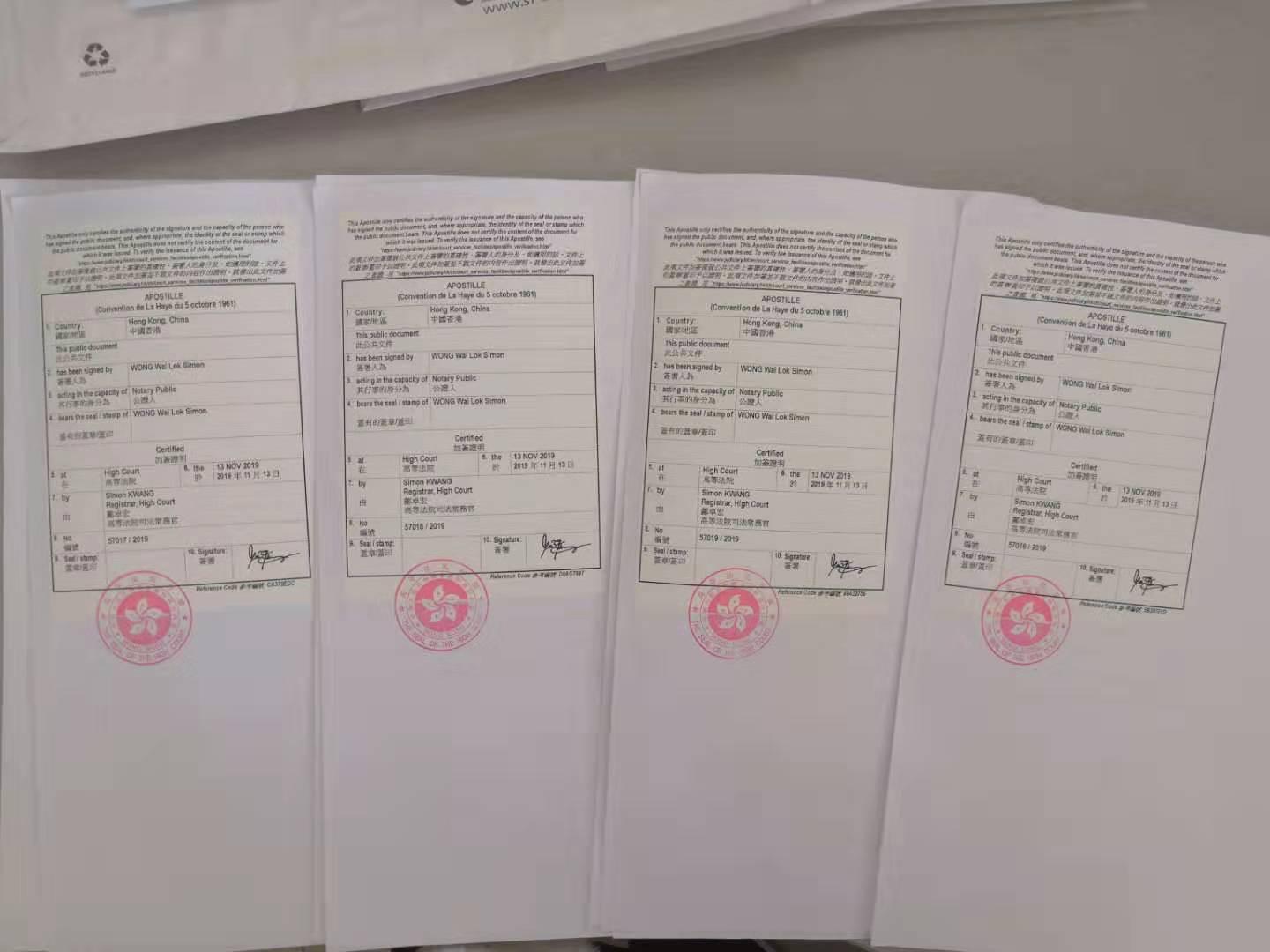
In the world of Hong Kong business, few documents hold as much fundamental importance as the Certificate of Incorporation (CI). It is the official “birth certificate” of your limited company, the definitive proof of its legal existence issued by the Hong Kong government. For any entrepreneur or investor, understanding what the CI is, what it contains, and why it’s indispensable is the first step in establishing a credible and compliant enterprise.
What Exactly is the Certificate of Incorporation?
The CI is a formal document issued by the Companies Registry of Hong Kong upon the successful registration of a new company under the Companies Ordinance (Cap. 622). It marks the moment the company becomes a distinct legal entity, separate from its shareholders (owners) and directors (managers).
Think of it this way:
· Company Name Approval = Getting approval for a baby’s name.
· Filing Incorporation Forms = Submitting the birth registration paperwork.
· Issuance of the CI = Receiving the official birth certificate from the government.
Key Information Contained on the CI
The CI is a concise but powerful document that typically includes:
1. Company Name: Your registered business name in English and/or Chinese.
2. Company Number: A unique, permanent registration number (e.g., 1234567). This is your company’s official identifier for all government dealings.
3. Date of Incorporation: The official “birthday” of the company. This date is crucial for determining the financial year-end and filing deadlines.
4. A Official Declaration: A statement certifying that the company is incorporated under the Companies Ordinance and that the Registrar of Companies has registered it.
5. Registrar’s Seal & Signature: The official stamp and signature from the Companies Registry, authenticating the document.
Why is the CI So Important? Its Critical Functions
The CI is not just a formality; it is the bedrock of your company’s legal and commercial identity.
1. Proof of Legal Existence & Limited Liability
· It is the primary evidence that your company exists as a legal “person” in Hong Kong law. This legal separation is what establishes limited liability, protecting shareholders’ personal assets from company debts (barring exceptional circumstances like personal guarantees).
2. Mandatory for Opening a Corporate Bank Account
· No reputable bank in Hong Kong or overseas will open a corporate bank account without reviewing the original or certified copy of the CI. It is the first document in any bank’s KYC (Know Your Customer) checklist.
3. Essential for Business Operations & Contracts
· You will need to provide the CI to secure business licenses, apply for office leases, register for trademarks, enter into significant contracts, and establish lines of credit with suppliers. It verifies to third parties that they are dealing with a legitimate, registered entity.
4. Foundation for Compliance
· Your CI number and incorporation date are used for all subsequent compliance filings, including:
· Annual Returns to the Companies Registry.
· Profits Tax Returns to the Inland Revenue Department (IRD).
· Business Registration renewal.
5. Building Credibility and Trust
· Presenting a CI instantly enhances your company’s credibility with clients, investors, and partners, signaling that your business is properly established and transparent.
The CI in Relation to Other Key Documents
It’s vital to distinguish the CI from other essential Hong Kong company documents:
· Business Registration Certificate (BRC): Issued by the IRD, this is a tax registration document. The CI proves existence, while the BRC grants the permission to operate as a business for tax purposes. You need both.
· Articles of Association (AA): This is the company’s internal “constitution,” outlining its rules on shareholder rights, director powers, and meeting procedures. The CI incorporates the company under these rules.
· Company Seal (Chop): While less mandatory today, the company seal often embosses the CI number onto official documents. The CI validates the authority of the seal.
How to Obtain a Certificate of Incorporation
The CI is obtained by filing an application for company incorporation (Form NNC1 for a company limited by shares) with the Companies Registry, along with the AA and the required fee. This process is almost always handled by:
· A professional corporate services provider, or
· A Hong Kong solicitor or CPA.
They ensure the application is accurate and complete, preventing delays. Upon approval, you will receive the CI in digital (PDF) form via the government’s e-registry platform, which is as legally valid as the paper version.
Practical Advice & Cautions
· Safe Keeping: Store the original digital file and any certified printed copies securely. It is a crucial corporate document.
· Certified True Copies: For many official uses (e.g., opening a bank account abroad), you will need a “Certified True Copy” of the CI, attested by a practicing Hong Kong solicitor, notary, or your corporate service provider.
· Verification: Anyone can verify the authenticity of a Hong Kong company and view its CI details (for a small fee) through the Companies Registry’s Cyber Search Centre online.
· Not a Trading License: Remember, the CI allows the company to exist, but it does not grant permission for specific regulated activities (e.g., finance, food service), which require separate licenses.
The Certificate of Incorporation is the non-negotiable foundation of your Hong Kong company. It is the single most important piece of paper that transforms a business idea into a recognized legal entity with the rights, protections, and responsibilities afforded by Hong Kong law. Whether you are a startup founder or a seasoned investor, securing and safeguarding your company’s CI is the first and most critical step in your journey toward building a successful and enduring enterprise in Asia’s world city.
Navigating Business Licenses in Hong Kong: A Guide to Compliance and Operations
Hong Kong is globally celebrated for its ease of doing business and pro-enterprise environment. A common misconception, however, is that its free-market ethos means no regulatory oversight. While the process is generally straightforward, understanding business licensing in Hong Kong is a critical step for ensuring your venture operates legally and avoids significant penalties. The core principle is that while most general businesses don’t need a universal “business license” to incorporate, many specific activities require sector-specific licenses or permits.
The Foundational Registration: Not a “License”
First, it’s essential to distinguish between business registration and a business license.
· Business Registration Certificate (BRC): This is mandatory for all entities operating a business in Hong Kong, obtained from the Inland Revenue Department (IRD). It is a tax registration document, not an operational license. It provides your Business Registration Number (BRN) and must be renewed annually or triennially.
· Company Incorporation: Registering a limited company with the Companies Registry is a separate process that creates your legal entity. The Certificate of Incorporation is your “birth certificate,” while the BRC is your “tax ID.”
The real licensing requirement depends entirely on your business nature.
Common Business Activities Requiring Licenses
Licenses are typically administered by specific government departments or regulatory bodies. Here are key sectors where licenses are paramount:
1. Financial Services
This is the most heavily regulated sector. Key regulators include the Securities and Futures Commission (SFC) and the Hong Kong Monetary Authority (HKMA).
· Required For: Banking, securities trading, asset management, money lending, insurance brokerage, and financial advising.
· Key Point: SFC licenses are complex, involve “fit and proper” tests for personnel, and require demonstrating adequate capital and compliance systems.
2. Food & Beverage and Hospitality
· Restaurants/Cafes: Require a Food Business License from the Food and Environmental Hygiene Department (FEHD). Premises must pass stringent health, safety, and hygiene inspections.
· Hotels & Guesthouses: Require a Hotel/Guesthouse License from the Office of the Licensing Authority (Home Affairs Department), ensuring building safety and fire regulations are met.
3. Retail and Trade
· Dangerous Goods: Selling items like fireworks, chemicals, or compressed gases requires a license from the Fire Services Department.
· Pharmaceuticals: Retail and wholesale of medicines requires a license from the Department of Health (Pharmaceutical Service).
· Liquor Sales: A Liquor License from the Liquor Licensing Board is needed for any premises selling alcohol for on-site consumption.
4. Education and Training
· Private Schools & Tutorial Centers: Must be registered with or exempted by the Education Bureau, complying with curriculum, safety, and staffing requirements.
5. Travel and Tourism
· Travel Agencies: Require a Travel Agent’s License from the Travel Industry Authority (TIA), which includes a guarantee and specific staff qualifications.
6. Others
· Employment Agencies: License from the Labour Department.
· Telecommunications: Licenses from the Office of the Communications Authority (OFCA).
The Critical Process: How to Determine and Obtain Licenses
1. Determine Your Business Nature: Clearly define your company’s proposed activities. Consult the Hong Kong Government’s “Licensing Service” website, a comprehensive one-stop portal listing hundreds of licenses.
2. Identify the Licensing Authority: Each license is managed by a specific department. Direct consultation with them is often advisable.
3. Fulfill Premises Requirements: Many licenses (F&B, hotel, retail) are premises-specific. You cannot get the license before securing a premises that passes the relevant inspections (health, fire, building safety). Never sign a long-term lease contingent on obtaining a license without legal advice.
4. Submit the Application: Prepare the required forms, supporting documents, business plans, technical specifications, and personal details of directors/shareholders. Processing times can vary from weeks to several months for complex applications.
5. Pay Fees and Undergo Inspection: Pay the application and license fees. Be prepared for site inspections by government officers.
6. Receive License and Comply with Conditions: Once granted, the license will have attached conditions (e.g., operating hours, safety protocols) that must be strictly followed. Renewal is typically required periodically.
Why Compliance is Non-Negotiable
· Legal Repercussions: Operating without a required license is a criminal offense, leading to heavy fines and potential imprisonment.
· Business Disruption: Authorities can issue suspension orders, forcing you to cease operations immediately.
· Civil Liability: Invalidates insurance and exposes you to lawsuits.
· Reputational Damage: Loss of trust from clients, partners, and financial institutions.
Practical Advice for Entrepreneurs
· Seek Professional Guidance: Engage a corporate services firm or a local solicitor early in your planning stage. Their expertise is invaluable in navigating the licensing maze, especially for regulated sectors.
· Factor in Time and Cost: Licensing can be a significant pre-operational cost (professional fees, government charges, premises modifications) and time investment. Include this in your business plan and launch timeline.
· “When in Doubt, Check”: The Hong Kong government is generally approachable. If uncertain, contact the relevant department directly for pre-application advice.
Hong Kong’s licensing regime is designed to protect public interest, safety, and market integrity without unduly stifling entrepreneurship. The system is transparent and predictable. Success lies in due diligence. Understanding and securing the necessary business licenses is not a bureaucratic hurdle but a fundamental step in building a credible, sustainable, and fully compliant Hong Kong enterprise. Proper planning in this area lays a solid foundation for your business’s future growth and protects you from severe operational and legal risks.
Why Your Business Needs a Local Representative in Hong Kong?
Hong Kong stands as one of the world’s most dynamic gateways to Asia and beyond. Its low-tax regime, robust legal framework, and unparalleled connectivity make it a magnet for international business. However, navigating its unique market—a blend of deep Chinese roots and international business practices—requires more than just a mailing address. This is where the critical role of a local representative comes into play. Whether an individual, a hired professional, or a professional services firm, having “boots on the ground” is often the deciding factor between success and struggle.
Beyond a Formality: The Multifaceted Role
A local representative is your company’s physical presence, eyes, ears, and voice in Hong Kong. Their value extends far beyond mere compliance to become a core strategic asset.
1. Navigating Legal and Regulatory Compliance
Hong Kong’s legal environment, while business-friendly, has specific, non-negotiable requirements. A local representative ensures you stay on the right side of the law.
· Company Secretary Mandate: Every Hong Kong incorporated company must appoint a local company secretary. A professional representative fulfills this role, handling annual filings, maintaining statutory registers, and ensuring compliance with the Companies Ordinance.
· Liaison with Authorities: They act as the official point of contact for the Inland Revenue Department (IRD), the Companies Registry, and other government bodies, managing communications, tax filings, and audit processes.
· Understanding Nuances: They interpret local regulations, advise on licenses specific to your industry (e.g., financial services, trading), and ensure your business structure remains compliant as laws evolve.
2. Enabling Market Entry and Cultural Navigation
Entering a new market is fraught with unseen challenges. A local representative de-risks this process.
· Cultural and Linguistic Bridge: They navigate the subtleties of guanxi (relationships) in business, communicate effectively in Cantonese, Mandarin, and English, and ensure your brand message is culturally appropriate.
· Local Knowledge: They provide insights into consumer behavior, competitive landscape, and local marketing channels that you cannot glean from reports alone.
· Administrative Setup: From finding an office and negotiating leases to setting up utilities and bank accounts, they handle the time-consuming logistics that can overwhelm a remote team.
3. Driving Business Development and Trust
Presence builds credibility. A local representative actively grows your business.
· Networking and Partnerships: They attend industry events, chamber meetings, and trade fairs to build a network, identify distributors, agents, or joint-venture partners on your behalf.
· Sales and Client Management: They can conduct face-to-face meetings, provide local after-sales support, and build stronger, trust-based relationships with clients and suppliers than is possible remotely.
· Brand Representation: Having a physical, responsive presence signals long-term commitment to the market, enhancing your brand’s reputation and reliability.
4. Managing Operational Efficiency
Day-to-day management from afar is inefficient and prone to errors.
· HR and Recruitment Support: They can help navigate local labor laws, assist in hiring initial staff, and act as a local manager for a remote team.
· Logistics and Supply Chain Coordination: For trading or manufacturing businesses, they can oversee quality control, liaise with suppliers in the Greater Bay Area, and manage logistics hubs.
· Problem-Solving: When issues arise—be it a delayed shipment, a client dispute, or a bureaucratic hurdle—a local representative can address them in real-time, during local business hours.
Who Can Act as Your Local Representative?
· Professional Employer Organization (PEO)/Global Employment Partner: For testing the market without establishing a legal entity, they can legally hire and manage employees on your behalf.
· Professional Services Firm: Firms specializing in corporate services, accounting, or legal can provide company secretarial services and high-level compliance and advisory support.
· Hired Local Employee: Your first direct hire, such as a Country Manager or Business Development Director, can fulfill this role, combining representation with direct operational control.
· Nominee Services: For specific legal or privacy requirements, nominee director or shareholder services can be used, though these are typically combined with professional firm support.
The Cost of Not Having a Representative
The alternative—managing Hong Kong operations from a foreign headquarters—often leads to:
· Compliance Risks: Missed filings, penalties, and potential legal issues.
· Operational Delays: Inability to react quickly to opportunities or problems.
· Cultural Missteps: Damaged relationships and brand perception.
· Lost Opportunities: Lack of local intelligence and network means missing out on deals and trends.
For any foreign company serious about the Hong Kong and Greater China market, a local representative is not merely an administrative requirement; it is a strategic investment. They provide the essential local intelligence, operational agility, and trusted presence that transforms a market entry plan into tangible, sustainable growth. In the competitive and fast-paced environment of Hong Kong, being truly “on the ground” is the ultimate advantage.
In short, a local representative is your key to unlocking Hong Kong’s full potential while ensuring you navigate its complexities with confidence and compliance.
How to Claim VAT Refund for a Chinese Export Company
For Chinese companies engaged in export activities, the Value-Added Tax (VAT) refund mechanism represents a crucial financial benefit that significantly enhances international competitiveness. China’s export tax rebate policy, administered by the State Taxation Administration (STA), allows eligible exporters to recover VAT paid on purchased materials and services used in manufacturing exported goods.
This comprehensive guide outlines the systematic process for Chinese export companies to successfully claim VAT refunds.
1. Eligibility Requirements
Qualified Exporters
· Enterprises with import-export rights registered with Chinese authorities
· Companies engaged in the export of goods or processing trade
· Entities in good standing with tax compliance records
· Businesses with proper accounting systems and documentation practices
Eligible Transactions
· Direct export of self-produced or purchased goods
· Entrusted export services
· Export through comprehensive bonded zones
· Special regional export arrangements
2. Key Documentation Requirements
Essential Documents for VAT Refund Application
1. Customs Declaration Forms
· Electronically filed customs declarations (EDI)
· Verified export records with official customs stamps
2. Commercial Documents
· Sales contracts or purchase orders
· Commercial invoices detailing transaction values
· Packing lists and shipping documents
· Bill of Lading or Air Waybill as proof of export
3. Financial Records
· VAT special invoices (fapiao) for purchased inputs
· Export sales invoices
· Bank settlement receipts for export proceeds
· Payment verification documents
4. Administrative Documents
· Business license and tax registration certificates
· Import-export enterprise qualification certificate
· Electronic port IC card or equivalent digital access
3. Step-by-Step Refund Process
Phase 1: Pre-Export Preparation
· Register for export tax refund privileges with local tax authorities
· Establish proper accounting classifications for export transactions
· Implement systems to segregate domestic and export sales
· Obtain necessary software for electronic filing (typically “出口退税申报系统”)
Phase 2: Post-Export Documentation
1. Collect Documentation
· Obtain customs declaration forms upon shipment clearance
· Secure all commercial and financial documents
· Verify receipt of export proceeds (within regulated timeframe)
2. Foreign Exchange Verification
· Register export proceeds with State Administration of Foreign Exchange (SAFE)
· Ensure compliance with foreign exchange control regulations
· Obtain electronic verification data
3. Invoice Certification
· Submit VAT invoices for input tax certification
· Complete cross-verification between purchase and sales invoices
· Address any discrepancies before filing
Phase 3: Refund Application
1. Electronic Filing
· Prepare refund application using official tax software
· Enter all transaction data accurately
· Generate electronic application package
2. Submission
· Submit application through electronic tax bureau system
· Provide required hard copies if requested by authorities
· Meet monthly or quarterly filing deadlines (typically the 15th day following the reporting period)
3. Audit and Verification
· Tax authorities conduct preliminary review (usually 5-20 working days)
· Possible on-site verification for large claims or new exporters
· Respond promptly to any inquiries or requests for additional documentation
4. Calculation Methods
Primary Refund Methods
1. Exemption, Credit, and Refund Method (免、抵、退税)
· Most common method for production enterprises
· Calculated based on input VAT credits against domestic and export liabilities
· Formula: Refund Amount = (FOB Value × Refund Rate) – Deductible Credit
2. Tax Refund Method (退税)
· Typically for trading companies
· Direct refund based on purchased product value and refund rate
· Formula: Refund Amount = Purchase Value × Refund Rate
Refund Rates
· Vary by product category (typically 0%, 6%, 9%, 13%)
· Regularly updated by Ministry of Finance and STA
· Check official announcements for specific product classifications
5. Special Considerations and Compliance
Timing Requirements
· Apply within prescribed periods (usually within 90 days following the export year)
· Strict adherence to foreign exchange receipt deadlines
· Regular filing schedules to maintain compliance
Common Challenges and Solutions
1. Documentation Errors
· Implement triple-check systems for all documents
· Train specialized staff in documentation requirements
· Maintain digital backups of all records
2. Classification Disputes
· Seek advance rulings for new products
· Consult with customs brokers or tax specialists
· Monitor changes in product classification guidelines
3. Audit Triggers
· Maintain consistent documentation practices
· Avoid sudden spikes in refund claims
· Keep thorough records of all calculations
Risk Management
· Implement internal controls for export documentation
· Regular reconciliation between accounting, sales, and logistics
· Professional consultation for complex transactions
· Stay updated on regulatory changes
6. Digital Transformation and Recent Updates
Electronic Processing
· Mandatory electronic filing in most regions
· Integration between customs, tax, and foreign exchange systems
· Automated data matching reducing manual verification
Recent Policy Developments
· Simplified procedures for qualified exporters
· Increased automation in review processes
· Pilot programs for instant refunds to certain enterprises
· Enhanced compliance monitoring through big data analytics
7. Professional Support Recommendations
When to Seek Expertise
· First-time export operations
· Complex product classifications
· Large-volume refund claims
· Discrepancies or audits by tax authorities
· Expansion into new export markets or products
Service Providers
· Specialized tax consultants with export expertise
· Licensed tax agents (税务师)
· Customs brokerage firms with tax advisory services
· Accounting firms with international trade divisions
Conclusion
Successfully navigating China’s VAT refund system requires meticulous documentation, procedural compliance, and staying current with regulatory updates. For export companies in China, an efficient VAT refund process represents not just a compliance requirement but a significant financial optimization opportunity that directly impacts competitiveness in global markets.
By establishing robust internal systems, leveraging digital tools, and seeking professional guidance when needed, Chinese exporters can maximize their VAT recoveries while maintaining full compliance with evolving regulations.
Understanding Fapiao: China’s Official Invoice System
A Fapiao (发票) is the official tax invoice issued in the People’s Republic of China that serves as proof of purchase for goods and services. Unlike ordinary receipts used in many countries, fapiaos are strictly controlled legal documents issued by the State Taxation Administration (STA) and carry significant importance for both businesses and consumers.
Key Characteristics of Fapiao
1. Government-Regulated Documents
· Printed on specially designed, anti-counterfeiting paper
· Contain unique serial numbers tracked by tax authorities
· Issued only through government-approved systems
· Feature multiple security elements (watermarks, special ink, etc.)
2. Two Main Types of Fapiao
VAT Special Fapiao (增值税专用发票)
· Used primarily for business-to-business transactions
· Allows purchasers to claim input VAT credits
· Contains detailed information about both buyer and seller
· Required for companies to deduct taxes
VAT Ordinary Fapiao (增值税普通发票)
· Used for business-to-consumer transactions
· Issued to individuals or entities not requiring VAT deduction
· Simpler format with fewer details required
Why Fapiao Matters in China
For Businesses
· Legal Compliance: Required for all business transactions
· Tax Deductions: Essential for claiming input VAT credits
· Accounting Records: Legally recognized proof of expenditure
· Audit Trail: Mandatory for financial audits and inspections
For Individuals
· Expense Reimbursement: Required by most employers
· Warranty Claims: Often necessary for product guarantees
· Personal Tax Deductions: Certain fapiaos can reduce personal tax
· Legal Protection: Proof of purchase in consumer disputes
The Digital Transformation: Electronic Fapiao
E-Fapiao Adoption
Since 2015, China has been progressively implementing electronic fapiaos:
· Legally Equivalent: Same legal status as paper versions
· Enhanced Features: QR codes, digital signatures, easier verification
· Environmental Benefits: Reduced paper consumption
· Convenience: Instant delivery via email or mobile apps
How to Obtain E-Fapiao
1. Seller generates invoice through tax bureau system
2. Customer provides taxpayer identification number
3. Invoice sent electronically via official channels
4. Accessible through tax bureau platforms or dedicated apps
How to Request and Use Fapiao
Standard Process
1. At Point of Purchase: Request fapiao from the seller
2. Provide Information: For businesses: company name, taxpayer ID, address, phone, bank account
3. Receive Invoice: Paper or electronic format
4. Verification: Check details and authenticity via official channels
5. Accounting: File appropriately for tax or reimbursement purposes
Important Information to Provide
· For Companies: Complete legal name (as registered), 15-digit taxpayer identification number, registered address, phone, bank account details
· For Individuals: Name and sometimes ID number (for high-value items)
Common Fapiao Challenges
1. Reluctant Issuance
Some businesses may avoid issuing fapiaos to evade taxes. Consumers have the right to insist and can report violations to local tax authorities (hotline: 12366).
2. Fake Fapiaos
Counterfeit invoices exist despite security features. Always verify suspicious fapiaos through official tax bureau websites or apps.
3. Lost Fapiaos
Reissuing is difficult and often requires official explanations to tax authorities. Digital fapiaos eliminate this risk.
4. Cross-Region Issues
Fapiaos issued in one province may require additional verification when used in another.
Special Fapiao Categories
1. Motor Vehicle Sales Fapiao
Required for all vehicle purchases and registrations
2. Used Motor Vehicle Fapiao
Specific format for second-hand vehicle transactions
3. Blockchain Electronic Fapiao
Pilot program using blockchain technology for enhanced security
4. Tourism Industry Fapiao
Special formats for travel services
Tax Implications and Compliance
Input VAT Credit
Businesses use special fapiaos to claim input VAT credits, reducing their overall tax liability. This requires:
· Accurate fapiao information
· Timely certification (within 360 days)
· Proper accounting treatment
Deductible Expenses
Only expenses with valid fapiaos are tax-deductible for corporate income tax purposes.
Digital Verification
All fapiaos must be verified through the Golden Tax System before use in tax deductions.
Practical Tips for Foreigners and Businesses
1. Always Request Fapiao: For any significant purchase or business expense
2. Carry Taxpayer Information: Keep a card with your company’s fapiao details
3. Understand Different Types: Know when you need special vs. ordinary fapiao
4. Use Digital Options: Prefer e-fapiao when available for easier management
5. Maintain Organization: Keep fapiaos well-organized for accounting and audits
6. Verify Authenticity: Check suspicious fapiaos immediately
7. Know Your Rights: Sellers are legally obligated to issue fapiaos upon request
Future Developments
China continues to reform its fapiao system with:
· Complete digitalization by 2025
· Integration with blockchain technology
· Simplified processes for small businesses
· Enhanced cross-border invoice recognition
· Mobile-first solutions for consumers
The fapiao system is more than just an invoice—it’s a fundamental component of China’s tax administration and business environment. Understanding how to properly obtain, verify, and use fapiaos is essential for anyone conducting business, working, or living in China. As the system evolves toward complete digitalization, both businesses and individuals will benefit from increased efficiency and transparency while maintaining rigorous tax compliance standards.
For specific questions about fapiao requirements in particular situations, always consult with a qualified tax professional or local tax authority, as regulations may vary by region and industry.
Where to Set Up Your Base: A Guide to Hong Kong’s Office Rental Districts
Hong Kong’s dynamic landscape offers a diverse array of districts for establishing an office, each with its unique character, advantages, and price points. Choosing the right location is a strategic decision that impacts your brand image, talent acquisition, operational costs, and client accessibility. Here’s a breakdown of Hong Kong’s key office districts to help you decide.
1. The Central Business Districts (CBD): Prestige & Power
These are the epicenters of global finance and professional services, offering unmatched prestige and connectivity.
· Central & Admiralty: The heart of Hong Kong’s financial world. Home to iconic skyscrapers like the IFC and Bank of China Tower, top law firms, banks, and hedge funds. It boasts the best transportation links (MTR, ferries), luxury amenities, and a dense concentration of talent. This comes at the highest cost per square foot globally.
· Best for: Finance, law, investment firms, multinational headquarters where prestige and proximity to clients are paramount.
· Tsim Sha Tsui (Tsim Sha Tsui) East, Kowloon: A major CBD on the Kowloon side, known for its grand harborside office towers (like ICC – International Commerce Centre, one of Hong Kong’s tallest buildings). It offers stunning harbour views, excellent MTR connections (including the Airport Express), and slightly more competitive rents than Central, though still in the premium tier. The atmosphere is modern and corporate.
· Best for: Finance, logistics, trading companies, and businesses that value a Kowloon address with superb transport links to the airport and mainland China.
2. Core Commercial & Mixed-Use Hubs: Vibrant & Connected
These districts provide a vibrant mix of business, retail, and lifestyle, often at a relative value compared to the core CBD.
· Wan Chai & Causeway Bay: Immediately east of Central, these areas offer a lively blend of Grade A and Grade B offices, government offices, convention centers (HKCEC), and sprawling retail. Rents are lower than Central, and the environment is more energetic. Causeway Bay is a retail paradise, while Wan Chai has a strong presence of media, advertising, and trade companies.
· Best for: PR & marketing, design, trading, SMEs, startups seeking a central location with great amenities and a slightly faster pace.
· Island East (Quarry Bay, Taikoo Place): Has transformed into a massive, self-contained business hub anchored by Taikoo Place (Swire). It hosts major corporations (e.g., many insurance and tech firms) in state-of-the-art, efficient towers. The area is less congested, offers excellent MTR access, and has a wide range of dining and retail options within complexes. Rents offer good value compared to Central.
· Best for: Corporate back-offices, tech companies, insurance, engineering, and large organizations seeking high-quality space in a planned, efficient environment.
3. Emerging & Niche Areas: Value & Specialization
These districts attract businesses looking for specific advantages, character, or lower costs.
· Wong Chuk Hang & Aberdeen (Southside): Once industrial, this area has rapidly gentrified into a trendy hub for creative industries. It offers spacious, converted industrial spaces and new developments at significantly lower rents than the north shore of Hong Kong Island. While MTR access is now available, it’s slightly more remote.
· Best for: Creative agencies, architects, tech startups, wellness brands, and businesses prioritizing spacious, character-filled offices over a central address.
· Kowloon Bay & Kwun Tong (East Kowloon): Traditional industrial areas that have been revitalized with modern commercial towers. They offer some of the most competitive rental rates in the market, good transport links, and a large local workforce. The environment is practical and no-frills.
· Best for: Logistics, wholesale, manufacturing, IT services, and SMEs seeking cost-effective, functional space with strong local connections.
· Kowloon West (Cheung Sha Wan, Sham Shui Po): An emerging node with new commercial developments like Lai Sun Commercial Centre and One Midtown. It provides modern office stock at very attractive prices compared to Tsim Sha Tsui. The area is well-connected by MTR and is undergoing significant regeneration.
· Best for: Tech companies, e-commerce, sourcing offices, and businesses looking for modern facilities on a budget in an up-and-coming location.
4. The Future & Decentralization: New Frontiers
· Kai Tak & Hung Hom: The massive Kai Tak development area is Hong Kong’s largest urban regeneration project. It promises a future waterfront business cluster, a cruise terminal, and extensive sports and recreational facilities. Currently in early stages, it represents a long-term bet on a new, planned CBD in Kowloon.
· The Northern Metropolis: A long-term strategic vision focusing on innovation and technology integration with Shenzhen. While primarily a future plan, it signals potential for tech and R&D hubs in the northern New Territories.
Key Decision Factors
1. Budget: Rents can vary by over 100% between Central and Kowloon West. Define your budget per square foot.
2. Business Image & Client Needs: Do you need a prestigious address for client meetings, or is a creative, functional space more important?
3. Employee Access: Consider where your current and potential employees live. Proximity to major MTR hubs is a huge advantage.
4. Industry Cluster: Being near peers, partners, or clients (e.g., banks in Central, creatives in Wong Chuk Hang) can be beneficial.
5. Space Requirements: Need large, open floors? Character? High-spec finishes? This narrows down building types and districts.
There is no single “best” district in Hong Kong—only the best fit for your specific business needs.
· For maximum prestige & global finance: Central/Admiralty.
· For a balanced, vibrant corporate hub: Wan Chai/Causeway Bay or Island East.
· For Kowloon-based prestige & connectivity: Tsim Sha Tsui East.
· For value, space, and a creative vibe: Wong Chuk Hang or Kowloon West.
· For the most cost-effective, functional space: Kwun Tong/Kowloon Bay.
Ultimately, a thorough assessment of your operational priorities, coupled with viewing spaces in a few shortlisted districts, will lead you to the ideal Hong Kong base for your next chapter of growth.
香港文件加签
什么是加签?
加签是一种特殊证书,用于认证公文(如出生证明、法院命令或公证文件)的来源,以便在另一个国家使用。它是根据《1961年海牙关于取消外国公文认证要求的公约》的规定签发的。香港作为中国的特别行政区,继续单独适用《海牙加签公约》。
为什么香港需要加签?
如果您持有一份香港公文,需要在同为《海牙加签公约》成员国的其他国家(如美国、日本、德国、澳大利亚)使用,则很可能需要办理加签。它简化了认证流程,取代了繁琐的多级认证链条。
香港的办理流程:
香港高等法院是指定签发加签的主管机关。
1. 文件类型:确保您的文件属于“公文”,包括:
· 香港政府部门签发的原始文件(出生/死亡/结婚证明、公司注册摘要)。
· 经香港公证人公证的文件(宣誓书、授权委托书、护照副本)。
· 其他特定官员签署的正式文件(如法院文件)。
2. 提交申请:您或您的法律代表需将原始文件(或经公证的副本)提交至高等法院登记处的加签科。
3. 审核处理:法院核验文件上的签名/印章,确认后会将加签证书附贴或盖印于文件上。
4. 时间与费用:处理通常快捷,一般在一个工作日内完成。需支付费用,具体金额请参考香港司法机构网站。
重要注意事项:
· 用于中国大陆:虽然中国大陆是《海牙公约》成员国,但对香港文件的适用方式不同。送往中国大陆的文件通常需通过香港的中国法律服务有限公司办理“认证”(Legalisation),而非简单的加签。
· 用于非海牙公约成员国:需通过领事馆或大使馆办理完整的认证流程。
办理前请务必核实目的地国家的具体要求。
香港秘书服务必备指南
在香港这个充满活力与竞争的商业枢纽,专业秘书服务不仅是一种行政便利,更是战略必需。无论对跨国企业还是雄心勃勃的初创公司,这些服务都为合规性、运营效率和专业信誉奠定了基石。
超越文书工作:公司秘书的角色
在香港,《公司条例》法律强制要求每家注册公司必须任命一名公司秘书。其职责远不止传统行政任务。合格的公司秘书确保企业严格遵守香港法规框架,处理公司与注册处和税务局的关键申报事宜。
核心服务内容:
1. 法定合规:按时提交年度申报表,通知董事/股东变更,维护法定记录册。
2. 董事会与股东支持:安排会议、准备议程、记录会议纪要、协助通过决议。
3. 注册办事处地址:提供符合法律要求的本地商务地址,提升企业形象。
4. 邮件处理与虚拟办公室:接收并转递官方信函,常配套电话接听服务。
5. 临时行政支持:协助文件准备、联络协调等,优化运营流程。
为何选择外包?核心优势:
· 确保合规:依托熟悉法规(如信托或公司服务提供者TCSP发牌制度)的专家,避免高额罚款与法律风险。
· 成本效益:无需雇佣全职内部人员,节省薪资、福利及办公空间成本。
· 获取专业经验:服务提供者常具备会计师或律师资质,深谙香港公司法。
· 聚焦核心业务:让管理层更专注于战略、发展与创收活动。
· 提升专业形象:信誉良好的秘书服务提供商能立即增强企业公信力。
选择合适的服务商
在选择香港秘书服务公司时,应考察其牌照(TCSP牌照)、行业声誉、服务范围、文件查询技术平台及团队响应效率。无论您是设立新业务还是优化现有架构,专业的公司秘书都将是您应对香港商业复杂性的得力伙伴,助您自信、稳健地运营。
香港公司股本:要求、结构与关键考量
在香港注册私人有限公司时,创始人必须做出的基础决策之一涉及公司股本。香港的公司制度受《公司条例》(第622章)管辖,以其灵活性和亲商环境而闻名。这在股本相关规定中尤为明显,为企业家提供了显著的自由度。
1. 无强制最低实缴资本
在香港注册公司的一个关键优势是无法定最低实缴股本要求。公司可以低至 1.00 港币 的股本成立。这种低准入门槛便于初创公司的成立,也是香港充满活力的创业生态系统的一个重要原因。
· 重要提示:虽然一般公司没有最低资本要求,但特定受监管行业(如持牌金融机构、保险公司、证券公司)须遵守相关监管机构(如证券及期货事务监察委员会或香港金融管理局)规定的自有资本要求。
2. 理解关键术语:法定股本与已发行股本
根据现行《公司条例》,对于在该条例颁布后成立的公司,已废除“法定股本”的概念。现在的重点是:
· 法定股本(针对旧公司):2014年之前成立的公司可能仍在其组织章程大纲中载有条款,限制其可发行股份的最高数量。此条款可通过特别决议予以删除。
· 已发行股本:指实际配发(发行)给股东的全部股份的总价值。这个数字代表了公司持有的资本。
3. 货币灵活性
公司股本可以任何货币(或多种货币)计价,为国际业务提供了极大灵活性。最常见的选择是港元、美元或人民币。所选择的货币必须在公司注册文件(表格NNC1)及其组织章程细则中明确说明。
4. 股份类别与股东权利
香港法律允许设置不同类别的股份,每类股份附有不同的权利。最常见的是普通股,通常每股享有一票表决权以及平等的股息和资本分配权。但公司也可以创建:
· 优先股:享有固定股息优先权,但通常没有表决权。
· 可赎回股份:公司可根据约定条款购回的股份。
· 具不同表决权的股份:根据特定规则允许,上市公司常用。
每类股份的权利、特权及限制必须在公司章程细则中明确定义。
5. 股份的缴付方式
股份可以通过以下几种方式缴付:
· 现金:最直接的方式。
· 非现金对价:可以以转让资产(如知识产权)或过去提供的服务作为交换来发行股份。进行适当的估值并将此记录在董事会会议纪要中至关重要。
已缴资本与未缴资本:虽然资本可以发行,但不一定需要立即全额缴付。例如,一家已发行资本为10,000港元的公司,股东可能只缴付了2,000港元,剩余的8,000港元即为未缴资本(股东欠公司的债务)。然而,对于大多数小型私人公司,建议且通常的做法是在注册时全额缴足已发行资本,以简化事务。
6. 增加或减少股本
· 增加资本:常见程序。公司可通过普通决议创设新股并将其发行给现有或新股东。
· 减少资本:更为复杂,需要特别决议(75%股东批准)和法院确认,除非符合《公司条例》规定的基于偿付能力的特定简化程序。此程序旨在确保债权人利益得到保护。
7. 实际考量与常见误区
· 非仅形式要求:虽然金额可以很小,但股本结构是关键的法律基础。它影响控制权、利润分配和责任。
· 运营充足性:虽然法律最低要求是1港元,但已发行资本应合理且足够支持公司预期的业务运营和初始开支。
· 公开记录:公司已发行股本的详情是其于公司注册处公开档案的一部分,可供任何人查阅。
· 印花税:无论资本金额或货币如何,发行股份的配发申报表均需缴纳5港元的固定印花税。
总结
香港的股本制度以最大灵活性和最少繁文缛节为特点,与其作为首要全球商业枢纽的地位相符。无法定最低实缴资本要求为初创公司移除了重大的财务障碍。然而,这种灵活性也要求审慎规划。创始人应仔细考量股份的金额、货币和类别结构,并确保在公司章程细则中正确载明。对于任何非标准股本结构或有关资本充足性的问题,强烈建议咨询公司服务提供商或法律专业人士的意见,为未来的发展和融资奠定坚实基础。
选择合适的广州公司地址
在中国南方的商业中心广州设立公司,是一项战略性举措。您的公司地址不仅仅是一个地理位置,更是对公司形象、信誉与抱负的声明。选择正确的区域,将显著影响您的运营、客户观感以及人才获取。
广州主要商业区:
1. 天河区 – 现代中央商务区
概况: 广州当之无愧的金融与商业核心,摩天大楼、跨国公司与高端购物中心林立。
适合: 金融、IT、咨询、律师事务所、跨国公司,以及任何需要树立高端形象的企业。
地标: 广州双子塔(东塔与西塔)、天河体育中心、珠江新城。
优势: 顶尖的基础设施、卓越的交通(多条地铁线)、人才与客户高度集中。
需考虑: 全市最高的办公室租赁成本。
2. 越秀区 – 传统与政治中心
概况: 广州的历史中心,省、市政府机构所在地,融合了传统商业与政治重要性。
适合: 政府关系(公关)、传统贸易公司、律师事务所、非政府组织及文化企业。
地标: 北京路步行街、越秀公园、省政府。
优势: 成熟的商业环境、强大的政府资源、丰富的文化历史底蕴。
需考虑: 基础设施相对老旧,交通拥堵可能是个问题。
3. 海珠区 – 新兴创意中心
概况: 以创新和创意闻名,坐拥庞大的广州国际会展中心(琶洲展馆)。
适合: 电子商务、科技初创企业、广告、媒体,以及所有涉及进出口贸易和展览的公司。
地标: 广交会展馆、广州塔(隔江相望)、琶洲互联网创新集聚区。
优势: 现代化的会展设施、日益成长的科技氛围、租金相比天河区更为实惠。
需考虑: 部分区域仍在发展中,广交会等大型活动期间交通可能拥堵。
4. 南沙区 – 自贸区与未来门户
概况: 位于珠江口的国家级新区和自由贸易试验区,重点发展先进制造业、航运和国际贸易。
适合: 制造业、物流、国际贸易、航运公司,以及寻求重大税收优惠和政策支持的企业。
地标: 南沙港、南沙自贸区。
优势: 具有吸引力的税收优惠、简化的海关手续、充足的发展空间。
需考虑: 距离市中心较远(约1小时车程),仍处于大规模开发阶段。
选择地址时的重要考虑因素:
· 虚拟办公室与服务式办公室: 对于初创企业和小型企业而言,服务式办公室(如雷格斯、创富港)或虚拟办公室服务能以较低成本提供一个 prestigious 的地址和秘书服务,而无需承担完整租赁的费用。这是一种非常流行且经济高效的起步方式。
· 法律注册: 地址必须适用于商业用途,并能在当地市场监督管理局注册。并非所有住宅或商住两用房产都能用于注册。
· 交通便利性: 靠近地铁站(如天河区的3号线、5号线和APM线)对员工和客户来说都是一个主要优势。
最终步骤:
选定区域后,与当地专营商业地产的房地产中介合作。他们可以帮助您完成租赁流程,确保房产能够合法注册,并协商有利的条款。您在广州的地址,将成为您的品牌在世界上最具活力经济体之一展开故事的基础。