The Hong Kong Company Seal: Legal Requirements

Hong Kong’s company seal requirements have changed significantly following the 2014 Companies Ordinance reforms, but confusion remains common among business owners. This guide explains what the law actually says, which seals you need, and how to manage corporate formalities effectively.


Under the previous Companies Ordinance (Cap. 32), every Hong Kong company was legally required to maintain a common seal with the company name engraved in legible characters. This metallic seal was essential for executing deeds, issuing share certificates, and other significant documents.


However, with the enactment of the new Companies Ordinance (Cap. 622) on 3 March 2014, the mandatory requirement was abolished. Section 124(1) of the new CO provides that keeping and using a common seal is now entirely optional. No Hong Kong company is legally required to obtain or use one.


What Is a Common Seal?


A common seal (also called a corporate seal) is a metallic embossing stamp used to authenticate business documents, leaving a raised impression on paper. It traditionally functions as the company’s formal physical signature on legal documents such as deeds, share certificates, and significant agreements.


If a company chooses to maintain a common seal, Section 124 of the Companies Ordinance sets two requirements: the seal must be metallic, and the company name must appear by engraving — not printing or labelling.


Alternative Methods of Document Execution


Since the 2014 reforms, companies can legally execute documents without any seal. Section 127(3) of the Companies Ordinance specifies the signature-based alternatives:


· For a company with only one director: the document may be signed by that sole director on the company’s behalf
· For a company with two or more directors: the document may be signed by two directors, or by one director together with the company secretary


A document signed in this manner has the same legal effect as if it had been executed under the company’s common seal. Even deeds can be executed without a seal using these signature methods.


Types of Company Stamps in Hong Kong


While not legally required, several types of stamps remain common in Hong Kong business practice:

Common Seal (Metal Embosser). The most formal execution tool, traditionally used for deeds and significant legal documents. Its use is optional and governed by the company’s Articles of Association.

Official Seal. Used by companies with operations outside Hong Kong, allowing a branch or representative office to execute documents on behalf of the head office.

Securities Seal. A specialised seal for issuing share certificates and securities, which may include additional security features.


Rectangular Company Chop (Signature Stamp). The most commonly used format in daily operations, typically including the phrase “For and on behalf of” followed by the company name and a space for an authorised signature. This stamp is generally used together with a director’s signature for contracts and formal correspondence.


Circular Company Chop. This stamp usually contains the company name only (in English, Chinese, or both) and is frequently used for administrative purposes, routine confirmations, and acknowledgements rather than formal execution.


Registration Requirements


Company stamps and chops in Hong Kong do not require registration with government authorities. They can be produced through commercial stamp makers. However, if a company chooses to adopt or cancel a common seal, the procedure is a matter for the company to decide, having regard to the applicable provisions in its Articles of Association and usual corporate practice.


Practical Considerations for Foreign Businesses


Although seals are not legally required, several practical reasons explain why many companies continue to use them:

Banking and Property Transactions. Local and overseas banks may still request stamped documents for account opening or loan purposes. Property transactions involving deeds often retain formal execution requirements.


Investor or Partner Preference. Some investors, particularly from traditional sectors, expect contracts or shareholder agreements to be stamped with an official seal.


Mainland China Connections. When dealing with partners in Mainland China, using a seal helps signal authenticity and meet regulatory expectations. In China, company chops are legally required for official business procedures.


Perceived Formality. A stamped document adds a layer of perceived authenticity and professionalism, particularly when dealing with Asian counterparties accustomed to chop usage.


Governance and Best Practices


If your company decides to maintain seals, proper governance is essential:

· Authorisation. Access should be restricted to authorised personnel, and its use governed by internal protocols. Misuse or unauthorised stamping can expose a company to legal risk.
· Board Resolution. A board resolution should specify when and how the seal can be used, such as requiring joint authorisation by two officers.
· Secure Storage. Keep the seal in a secure location, ideally under lock and key, and maintain a usage log to record when the seal is used, on which documents, and who witnessed the impression.


When to Choose a Common Seal


For most foreign founders setting up in Hong Kong, a common seal is not necessary. However, you may still want one if:

· Specific banks, investors, or overseas counterparties require it for certain documents
· Your business regularly engages with Mainland China entities
· You operate in traditional sectors where seals remain customary


The legal requirements for company seals in Hong Kong have been significantly relaxed since the 2014 Companies Ordinance reforms. While seals remain optional, understanding their proper use and governance is important for any company operating in or with Hong Kong. The decision to maintain a common seal should be based on practical business needs — primarily banking requirements, counterparty expectations, and cross-border operations — rather than legal obligation.

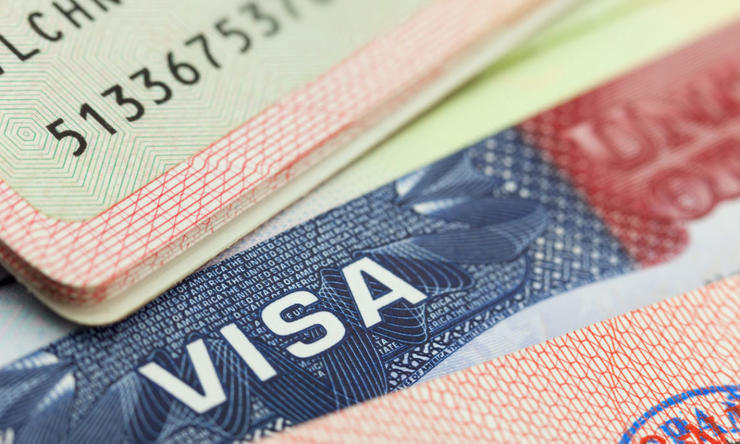
Who needs a Visa in Hong Kong?

Hong Kong is one of the world’s most accessible destinations, but whether you need a visa depends entirely on your nationality, the purpose of your visit, and how long you plan to stay. This guide will help you understand at a glance who needs a visa to enter Hong Kong.


🌍 General Rule: Visa-Free Access for Short Stays


For short-term visits such as tourism, business meetings, or visiting family, the majority of nationalities do not require a visa. According to the Hong Kong Tourism Board, nationals of most countries can enter visa-free, with permitted stays varying from 7 to 180 days, depending on the visitor’s nationality. Under this generous visa-free regime, citizens from the United Kingdom can stay for up to 180 days, while nationals from the United States, Canada, Australia, New Zealand, and Singapore are permitted to stay for up to 90 days.


Quick Reference: Visa-Free Stay Durations by Selected Nationality


Length of Stay Countries / Regions (Examples)
Up to 180 days United Kingdom
Up to 90 days United States, Canada, Australia, New Zealand, Singapore, most European Union countries, Chile
Up to 30 days Bahrain, Belarus, Bolivia, Brazil, Israel, South Africa
Up to 14 days Albania, Algeria, Bhutan, Benin, Bosnia and Herzegovina
Up to 7 days Passport holders of Mainland China (in transit)


🚨 Who Needs a Visa?


A visa or entry permit is required for any foreign national who does not benefit from the visa-free regime or whose planned activities fall outside of tourism or short business trips. Specifically, a visa is required in the following cases:

  1. Nationals of countries not on the visa-free list. This includes nations where no visa-free arrangement exists, such as Afghanistan, Bangladesh, Nepal, Nigeria, Pakistan, Somalia, Sri Lanka, and Vietnam.
  2. Long-term stays or specific purposes. Any person wishing to stay longer than the permitted visa-free period, or who intends to work, study, establish a business, or reside in Hong Kong, must obtain the appropriate visa or entry permit before traveling.
  3. Residents of Mainland China. Chinese citizens holding a People’s Republic of China passport must obtain an entry permit for stays exceeding 7 days or for purposes other than transit. Those holding a PRC Travel Document must obtain an entry permit regardless of the duration or purpose of their visit.

🔍 Special Cases and Exceptions


Beyond the standard rules, several special categories and streamlined processes are worth noting.


Indian Nationals — Pre-Arrival Registration (PAR)


Indian passport holders benefit from a simplified online process called Pre-Arrival Registration (PAR) . This system replaces the need for a traditional visa application for tourism purposes. It is free of charge, completed entirely online, and approval is typically granted within minutes to 48 hours. Successful applicants must print the confirmation slip and can stay in Hong Kong for up to 14 days.


APEC Business Travel Card (ABTC)


Business travelers can use the APEC Business Travel Card (ABTC) to greatly simplify their travel across the Asia-Pacific region. For short-term business visits, the ABTC generally allows holders to enter participating APEC economies, including Hong Kong, without needing an additional visa. The card is typically valid for 5 years and permits stays of 2 to 3 months per visit. It also provides access to special fast-track immigration lanes at major airports.


Visa on Arrival


While less common, a visa on arrival is generally not a standard entry method for Hong Kong. However, the situation is the opposite for Hong Kong residents: as of April 2026, 175 countries and territories have granted HKSAR passport holders either visa-free access or a visa on arrival. For instance, HKSAR passport holders can now obtain a visa on arrival in Sri Lanka for up to 30 days after pre-registering online for an Electronic Travel Authorization (ETA).


📄 How to Apply for a Hong Kong Visa


For those who require a visa, the application process is centralized and clear.


· Processing Time: The Immigration Department typically takes about 4 weeks to process a visit/transit visa application once all required documents are received.
· Application Form: The standard form for visit/transit is the ID 1003A. It can be downloaded from the Immigration Department’s website or obtained from Chinese diplomatic and consular missions abroad.
· Submission: Applications must be submitted to the Hong Kong Immigration Department or a Chinese embassy/consulate before traveling.


✈️ Tips for a Smooth Entry


To ensure a hassle-free arrival in Hong Kong, keep the following in mind:


· Check Official Sources: Always verify your specific visa requirements with official channels such as the Hong Kong Immigration Department website or the nearest Chinese embassy or consulate.
· e-Channel for Frequent Visitors: Frequent travelers who are eligible for visa-free entry and have visited Hong Kong without issues three or more times in the past 12 months can register to use the automated e-Channel for faster immigration clearance.
· No Arrival Card: All visitors are no longer required to complete or submit an arrival or departure card for immigration in Hong Kong, streamlining the process.


If you would like a more detailed look at a specific visa type — such as for work, study, or investment — feel free to let me know, and I can provide a more focused guide.

Virtual Office in China

For foreign entrepreneurs and companies looking to enter the Chinese market, the high cost of physical office space in major cities like Shanghai, Beijing, and Shenzhen can be a significant barrier. A 25-square-meter office in Shanghai’s central business district often costs upwards of US$2,000 per month. This is where virtual offices offer an attractive alternative, providing businesses with a prestigious address and essential administrative services at a fraction of the cost.


What Is a Virtual Office in China?


A virtual office provides a business with a professional address and administrative support without requiring a physical workspace. Services typically include:

· A prestigious business address in major Chinese cities
· Mail handling and forwarding
· A dedicated local phone number with professional call answering
· Access to meeting rooms and coworking spaces on an as-needed basis
· Administrative support services


It is important to note that “virtual office” in China does not mean a purely digital address. These offices are established in physical locations — often in centralised company registration areas or coworking spaces — that have been approved by local governments to serve as legal business addresses.


Legal and Compliance Considerations


One of the most critical aspects of using a virtual office in China is understanding the legal landscape. Under the PRC Company Law, every company must have a registered address corresponding to a legal entity.


City‑Specific Regulations: Acceptance of virtual offices varies significantly by region. Shanghai and Shenzhen are generally more flexible, while Beijing has become much stricter. In Beijing, the market regulator now requires a verifiable 25-digit property real estate code on any lease, and most inexpensive virtual addresses do not have one.


Compliance Risks: Failure to maintain a compliant registered address can lead to on‑site inspections, blacklisting, and restrictions on company operations. When selecting a virtual office, it is essential to confirm that it is:

· Officially filed with the Administration for Market Regulation (AMR)
· A physically existing location
· Authorised to be used as a registration address


VAT Refunds and Inspections: Businesses involved in import/export that wish to claim VAT refunds face additional scrutiny. Tax authorities may conduct on‑site inspections and typically require a physical office of at least 30 square metres, a lease registered with authorities (the official “red book”), local staff on payroll, and evidence of actual business activity.


Benefits of Virtual Offices in China


Cost‑Effectiveness


Virtual offices dramatically reduce overhead costs. Basic virtual office packages start from as low as ¥388 per month, while premium packages with full communication services range from ¥2,640 per month. This is significantly cheaper than leasing a traditional office, especially in prime locations.


Professional Business Image


A virtual office allows a company to have a mailing address in a prestigious CBD location — such as Beijing’s China Central Place, Shanghai’s Lujiazui financial district, or Shenzhen’s Futian District — without paying the full rent. This enhances credibility with clients and partners.


Flexibility


Virtual offices provide the ability to establish a presence in key markets without long‑term leases or large capital commitments. Many providers offer month‑to‑month terms and the ability to scale services up or down as business needs change.


Access to Meeting Facilities


Most virtual office packages include access to meeting rooms and coworking spaces on a pay‑as‑you‑go basis, allowing for face‑to‑face client meetings when needed.


Major Virtual Office Providers in China


Global Operators


Regus (IWG Group) — The world’s largest serviced office provider, operating in over 45 cities across China. Regus offers virtual office services that can be used for business registration and client接待, backed by a global network of more than 4,000 locations.


Servcorp — A premium provider with locations in prime buildings such as Beijing’s China Central Place and Shanghai’s Citigroup Tower. Their Platinum Virtual Office package includes a prestigious address, a local phone number with bilingual receptionist, mail handling, and four free days per month in a private office. Servcorp operates more than 150 locations across 23 countries, serving over 50,000 businesses.


WeWork — Since entering Greater China in 2016, WeWork has opened approximately 100 locations across major cities including Shanghai, Beijing, Guangzhou, Shenzhen, Hangzhou, Suzhou, and Chengdu. WeWork offers virtual office solutions alongside coworking and private office options.


Regional and Local Providers


Conson Group — Specialises in virtual office services connecting Hong Kong and mainland China, with branches in Shenzhen, Guangzhou, Shanghai, and Beijing. Packages start from US464 per month for a full communication package.


Choosing the Right Virtual Office Provider


Ask these critical questions before signing up:

  1. What is the exact location? — Verify the building and floor. The best providers are located in Class‑A office towers in central CBD districts. Ask to visit in person or request a video tour.
  2. Will the address be accepted for company registration? — Check with the local AMR. Different districts have different rules, and a cheap virtual address may be rejected outright.
  3. Who will answer my calls? — Find out whether receptionists are in‑house employees or outsourced, and whether you can meet them to assess their professionalism.
  4. What is the network quality? — Reliable, secure internet is essential. Inquire about ISP tier, uptime guarantees, and WiFi security measures.
  5. Is the pricing fully transparent? — Request a clear price list distinguishing monthly fees from any additional charges.

Practical Tips and Common Pitfalls


Verify the Provider: Always ensure the provider is legitimate and their address is officially registered with local authorities. Using an unlicensed provider can result in rejection of your company registration application.


Check Your Business Type: Certain industries — such as catering, healthcare, or manufacturing — require actual physical premises and cannot register with a virtual address.


Consider Your Exit Strategy: If you plan to claim VAT refunds or expand into import/export, factor in that you will eventually need a physical office that meets inspection requirements.


Stay Updated: Monitor regulatory changes that could impact the use of virtual offices in your chosen city. Rules that apply today may be tightened tomorrow.


Virtual offices in China offer a practical, cost‑effective pathway for startups, SMEs, and foreign companies to establish a presence in one of the world’s largest markets. However, success depends on carefully navigating the legal requirements, choosing a reputable provider, and understanding the specific rules of the city where you wish to register. With China’s flexible office space market projected to grow at a CAGR of over 5 percent through 2030, the virtual office model is likely to become an increasingly important tool for international business expansion.


By doing your due diligence and selecting a provider that offers a truly compliant registered address, you can enjoy the benefits of a prime business location without the prohibitive costs of traditional office space.

什麼是僱主報稅表?

香港的僱主報稅表是稅務局(IRD)要求每位僱主提交的法定年度稅務文件。其主要目的在於申報在相關課稅年度(由4月1日至翌年3月31日)內,支付給所有僱員及董事的薪酬。這份由BIR56A及IR56B表格組成的文件,是稅務局準確評定每位僱員薪俸稅負債的法律依據。


這份報稅表並非單一文件,通常由兩個核心部分組成:

· BIR56A(「封面信」):一份確認僱主申報狀況的總括表格,用作對所有隨附IR56B表格作出法律聲明。即使公司沒有任何需要申報的僱員,也必須在BIR56A表格上的「沒有僱員」欄位剔選,進行「零申報」。

· IR56B(「明細表」):為每位特定僱員填報的個別表格,詳細列出支付給該員工的總收入,包括薪金、花紅、佣金、津貼及實物福利。


核心申報類別與關鍵期限


稅務局在每年4月1日向僱主發出年度報稅表(BIR56A)。僱主必須在發出日期起計一個月內(即約5月初)填妥並提交報稅表及所有IR56B表格。不過,僱主的責任不止於此。下表概述了在僱員不同階段需遵守的關鍵申報規定。


表格 目的 申報者 法定申報期限


IR56E 通知稅務局有新入職僱員 僱主 入職日期起3個月內

IR56F 申報僱員離職(但留港) 僱主 離職前不少於1個月

IR56B 為每名僱員申報年度薪酬 僱主 BIR56A發出後1個月內(通常在5月初)

IR56G 申報僱員將永久離開香港 僱主 離港前至少1個月,並須扣發最後薪金以待稅務局發出「同意釋款書」

IR56M 申報支付給非僱員服務提供者(如承辦商、自由職業者)的款項 付款人 / 僱主 與BIR56A及IR56B同時提交(即4月發出後1個月內)


違規的後果


未能履行這些責任可能會導致嚴重的處罰。根據《稅務條例》,遲交或錯誤申報的後果包括:

· 罰款:每份遲交或錯誤的報稅表最高可被罰款港幣10,000元。

· 每日罰款:對持續違規的行為,可能加徵每日罰款。

· 檢控:持續不遵守規定可被檢控,法庭可命令僱主在指定期限內完成之前未履行的行為。


履行您的責任


為避免這些處罰,僱主必須遵循最佳實務。積極主動地遵守法規是關鍵,這包括:

· 保存準確紀錄:稅務局要求僱主將薪酬紀錄保存至少 7年。這包括薪金記錄、強積金供款記錄、花紅發放記錄及僱傭合約。

· 完整申報:僱主必須為總收入超過指定限額的所有僱員申報薪酬,無論該僱員是在香港境內或境外履行職務。

· 準時提交:最重要的一步是遵守稅務局通知發出後一個月內的申報期限

如何为您的有限公司选择一个完美名字

为您的有限公司选择一个名字是企业主将做出的最关键决定之一。这不仅仅是一项法律要求——它是您品牌形象的基础,是客户对您的第一印象,也是将伴随业务增长而增值的关键资产。


第一步:理解两种企业名称类型


在开始头脑风暴之前,您需要理解,从法律和品牌的角度来看,您的企业拥有两种不同的身份。


这是您在政府注册的官方名称。它包含您的法律架构(例如,德语区的”Gesellschaft mit beschränkter Haftung”或”GmbH”、俄语的”ООО”、英国的”Ltd”或美国的”LLC”)。这个名字会出现在合同、发票、银行账户和所有官方文件上。 Brand Name (Commercial Designation / Trademark) | 品牌名称(商业标识/商标)


这是客户熟知的名称,是您在市场营销、网站和包装上使用的面向公众的身份。例如,您的法定名称可能是”Fresh Bites LLC”,而品牌名称可以简化为”Fresh Bites”。二者可以相同,但并非必须一致.

Key Takeaway | 核心要点: 您需要先注册您的法定公司名称,之后可以为品牌名称注册商标以获得更强的法律保护。


第二步:头脑风暴前的战略准备

没有战略规划就直接进行创意命名,往往会浪费时间。从界定以下基础要素开始:

✅ 了解您的受众

您的理想客户是谁?能引起青少年共鸣的名字与面向企业客户的名字截然不同。深入了解他们的生活方式、价值观以及您为他们解决的问题。


✅ 分析您的竞争对手

研究您所在行业的30-50个名称。列出常见的模式、过度使用的后缀(如”-tech”、”-solutions”、”-group”)和特定词汇。您的目标不是复制,而是在市场中脱颖而出.


✅ 定义您的品牌个性

列出3-5个描述您品牌基调的形容词。是专业可信?俏皮有活力?还是奢华高端?用这些形容词作为命名创意的”过滤器”.


第三步:头脑风暴技巧与命名方向

有了明确的战略,就可以开始生成命名创意了。从以下四种最常见的类型中选择一个主要方向:


I. 描述性名称

这类名称清晰地说明了您的业务内容。

·优点:客户能立即理解业务内容。

缺点:通常缺乏独特性,难以注册商标,且可能限制性过强。

例子:


II. 联想性名称

这类名称使用隐喻、意象或联想来暗示与业务相关的感觉或好处,而非直接描述。

优点:令人印象深刻、独特,为品牌建设提供强大基础。

缺点:可能需要更多营销努力来解释其含义。

· 例子: Apple, Amazon, Nike, Ассоциативное поле (ассоциации по ощущениям от продукта).

III. Invented (Fanciful) Names | 虚构性名称

这类名称是完全凭空创造、没有现成意义的词汇。它们是最强有力的商标。

优点:高度独特、易于商标注册,且没有预先存在的联想。

缺点:可能难于发音和拼写,需要在品牌教育上进行大量投资。

· 例子: Google, Kodak, Spotify, Латинизация и гибриды.


IV. 创始人名称

这类名称使用创始人的姓氏。

· 优点:人性化、建立信任,并利用创始人的声誉。

缺点:如果创始人离开,可能不具备可扩展性,且未来难以出售。

· 例子: Hilton (Conrad Hilton), Ford (Henry Ford), Персонализированные названия.


创意生成方法:

· 联想映射:

写下与您业务感觉、价值和好处相关的所有词汇.

· 词汇融合: 结合两个相关的词汇。

· 前缀/后缀: 在基础词汇上添加”Omni-“、”Neo-“或”Hyper-“等前缀。

· 使用命名生成器:

在线AI工具可以提供初步灵感。


第四步:法律核查清单(至关重要!)

这是不可妥协的环节。许多创意名称会被驳回或引发法律纠纷。执行以下核查清单,能让您避免许多麻烦。

针对法定公司名称

包含法律后缀:

您的法定名称必须包含您所在司法管辖区内表明有限责任公司身份的官方后缀,例如俄语的”ООО”、德语的”GmbH”、英语的”Ltd”或美式英语的”LLC”。


避免纯业务描述:

名称不能仅由描述您业务活动的词汇组成(如”ООО «Швейное производство».


避免禁用词汇:

许多司法管辖区禁止使用暗示与政府有联系的词汇(如”联邦”、”州”),国际组织名称(如”联合国教科文组织”、”奥林匹克”),以及攻击性或违反道德的术语。使用”银行”、”保险”或”建筑师”等受监管术语需要特殊批准.


针对法定名称与品牌名称

独特性与可用性:

您的名称必须与现有注册公司”可区分”。仅仅更改一个字母或拼写是不够的。例如,”Vira Lifesciences”因”Veera Lifesciences”已存在而被驳回。如果名称过于相似,来自现有公司的无异议证明通常也无济于事.


商标搜索: 公司名称可用并不意味着您可以将其作为品牌名称使用。在您所在国家的商标数据库中进行彻底的商标搜索。


第五步:最终核查与保护

在做出最终决定之前,进行最后这几项核查,以确保您的名称是一项长期资产。

广播测试:

在电话中大声说出名称。它容易听懂吗?拼写是否明确?您不希望人们因为害怕读错或拼错而不敢使用它.

域名可用性:

在当今的数字世界中,拥有一个匹配的域名是必需的。请检查.com、您所在国家/地区代码(如.de、.ru、.cn)以及其他相关后缀的域名是否可用.

五年扩展性测试:

想象一下您5年后的业务。如果您扩展到新产品、新市场甚至新国家,这个名字仍然合适吗?避免使用过于具体的名称.

跨文化与语言检查:

如果您有国际化计划,请让目标市场的母语者检视您的名称。确保它在其他语言中没有尴尬或冒犯的含义.


为您的有限公司选择完美的名称是创造力、战略和法律尽职之间的平衡。一个真正伟大的名字是令人印象深刻的、能反映您品牌核心价值的,并且在法律上是站得住脚的。遵循这个循序渐进的框架,您将避免常见的陷阱,为您的品牌长期成功奠定坚实的基础。

香港的 NAR1 申报

在香港提交 NAR1 似乎只是例行文书工作,但若错过截止日期,后果会从简单的注册附加费逐步升级为严重的刑事处罚,甚至可能导致公司被撤销注册。


NAR1 究竟是什么?


NAR1(周年申报表)是每家香港公司每年必须向公司注册处提交的法定文件。它记录了公司关键信息的「快照」,包括注册办事处地址、股本结构、董事、股东及公司秘书的详细信息。关键在于,NAR1 与利得税报税表(向税务局提交)不同,它们是相互独立的义务,有着不同的截止日期和后果。


申报截止日期:严格的 42 天窗口期


法律规定,NAR1 必须在公司成立周年日之后的 42 天内提交。此截止日期包括星期日和公众假期。如果第 42 天是星期日或公众假期,则截止日期顺延至下一个工作日。但如果第 42 天是星期六,截止日期仍为该星期六,届时你可能需要使用投递箱或通过电子方式提交。对于私人公司,按时提交的正常注册费用仅为 105 港元。


罚款结构:迟交的真实代价


一旦错过 42 天的窗口期,后果将按照分级罚款制度逐步升级。对于私人股份有限公司,迟交注册费用如下:


延迟期(周年日后) 迟交注册费(港元)
42 天内(按时) 105 港元
超过 42 天但不超过 3 个月 870 港元
超过 3 个月但不超过 6 个月 1,740 港元
超过 6 个月但不超过 9 个月 2,610 港元
超过 9 个月 3,480 港元


来源:公司注册处


这些迟交费用替代了标准的 1,200 至 4,800 港元。


⚖ 刑事检控:不止于金钱处罚


上述罚款只是开始。未在规定期限内提交周年申报表属于刑事犯罪。一经检控和定罪,公司及其每名负责人(通常指董事和公司秘书)最高可被处以每日 1,000 港元的罚款(按犯罪持续天数计算)。


⚠ 被撤销注册:最严重的后果


持续违规可能导致公司注册处处长采取最严厉的措施:将公司从公司登记册中撤销。被撤销注册的公司实际上已解散,无法再合法运营、签订合同、持有银行账户或在香港开展任何业务。


恢复路径:解散后的重生


如果您的公司已被撤销注册,未必是穷途末路。您可以申请行政恢复以复活公司。此过程涉及 2,700 港元的不可退还的政府费用。要成功恢复,申请人必须全额缴清解散期间所有未缴的政府费用、罚款和开支。


如果您的申报已经逾期该怎么办

如果您意识到已经错过了截止日期,请不要惊慌。以下是实用的行动方案:


· 立即申报:等待时间越长,罚款等级越高。尽快提交逾期的 NAR1 以停止升级。
· 申请豁免罚款(上诉):您或许可以申请免除迟交罚款,尤其是首次或轻微违规(例如逾期少于 60 天)。
 · 向公司注册处提交正式上诉:
   · 提交书面申请,附上清晰的解释、证据以及后续合规的证明。
   · 申请必须在罚款通知发出后 28 天内提交。
   · 附上填妥的 NAR1、付款证明及支持文件。
   · 通过挂号信邮寄至公司注册处(不接受电子邮件)。
 · 如果准备充分,附有清晰的合规努力证据,上诉成功率约为 67%。


按时提交 NAR1 是任何香港公司的基本合规义务。延迟的代价——无论是财务上还是法律上——都可能相当严重。但是,如果您发现自己已经违规,立即采取行动提交逾期申报表,并配合准备充分的罚款豁免申请,可以帮助减轻损失,并有可能成功恢复公司的良好存续状态。咨询合资格的公司秘书或企业服务提供商始终是明智之举,以确保准确、按时履行所有法定义务。

为什么在中国做生意更划算

中国不仅是全球第二大经济体,更是一个无与伦比的制造中心、充满活力的创新实验室,以及拥有 14 亿消费者的庞大市场。无论你是初创企业还是成熟公司,在中国经营业务都能带来实实在在的优势。


1. 无可匹敌的供应链与制造效率


没有任何国家能提供像中国这样密集的供应商、原材料、物流体系和熟练工人。从电子产品到服装,你可以在几小时内找到所需零件,并迅速扩大生产。这缩短了交付周期,降低了库存成本,直接提升了利润空间。


2. 全球最大的中产阶级群体


中国拥有超过 4 亿中等收入人群,且这一数字仍在增长。不断上升的可支配收入推动了对优质产品、健康服务、教育和数字娱乐的需求。一旦进入这个市场,你的潜在客户群体就超过了美国总人口。


3. 政府支持与自由贸易试验区


中国设有数百个自贸试验区,为外资企业提供简化通关、税收优惠和快速审批通道。同时,在高科技、绿色能源、生物制药等领域的国家政策,还提供补贴、研发支持和专利保护,让企业更容易实现盈利。


4. 高度发达的数字化生态


中国在移动支付(微信支付、支付宝)、电商(淘宝、京东、拼多多)和社交电商方面全球领先。企业可以通过超级应用和直播直接触达消费者,客户获取成本远低于许多西方国家。数字基础设施非常先进,一个新品牌可以在 48 小时内完成上架、销售和收款。


5. 高性价比的劳动力和创新人才


虽然工资有所上涨,但中国依然物超所值:高素质的工程师、设计师和供应链管理人员的薪酬仅为西方同等水平的一小部分。深圳、上海和北京培养的 STEM 毕业生数量超过全球任何地区。你不必支付硅谷的薪资,就能获得世界一流的人才。


6. “一带一路”倡议


对于希望走向更广阔市场的企业,“一带一路”打通了通往东南亚、中亚、非洲和欧洲的贸易走廊。在中国设立业务,相当于获得了通往 150 多个国家、享受优惠物流和贸易协议的桥头堡。


从成本控制、响应速度,到市场准入和创新能力,中国仍然是建立或扩展业务最有利可图的地方之一。关键在于找到本地合作伙伴、善用数字化工具,并在专业指导下应对法规。而一旦走对路,回报往往是惊人的。


京东全球版-专业的综合网上购物商城


京东全球版-专业的综合网上购物商城,为您提供正品低价的购物选择、优质便捷的服务体验。商品来自全球数十万品牌商家,囊括家电、手机、计算机、服装、居家、母婴、美妆、个护、食品等丰富品类,满足各种购物需求。香港的用户支持自提、京东集运和国际卡支付,现时已覆盖香港、澳门、台湾、新加坡、马来西亚、美国、加拿大、澳大利亚、新西兰和日本等海外200多个国家和地区。

香港公司必备周年申报表

如果您在香港经营一家公司,理解NAR1表格对于保持良好的法律地位至关重要。这份文件代表了《香港公司条例》下最重要的法定申报要求之一。本文解释了什么是NAR1,它为何重要,以及如何确保合规。

什么是NAR1?

NAR1是周年申报表的指定表格,每家在香港注册的公司都必须每年向公司注册处提交。这是一份法定文件,提供了截至特定日期(即“申报表日期”)的公司关键信息快照。

根据《香港公司条例》(第622章)第662条的规定,该表格是法律要求的,无论您的公司在该年度是否活跃经营,都必须提交。

周年申报表的目的

周年申报表有几个重要功能:

· 维护公共记录 – 确保公共登记册上的信息准确且最新。
· 确保透明度 – 银行、投资者和商业伙伴通常会查阅这些记录,以核实公司的合法性。
· 支持商业交易 – 更新后的周年申报表通常是进行股份转让、牌照申请、银行贷款和政府资助申请所必需的文件。

需要注意的是,周年申报表(NAR1)与报税表不同。NAR1提交给公司注册处,而报税表则另行提交给税务局。

NAR1包含哪些信息?

NAR1表格涵盖了关于公司结构和领导层的详细信息:

· 公司详情:法定名称、注册编号和注册办事处地址(必须是香港的实体地址,不能是邮政信箱)。
· 主要业务活动:简要描述公司的主要业务活动。
· 董事详情:全名、通讯地址和身份证明文件编号。
· 公司秘书信息:担任此法定角色的个人或公司的详细信息。
· 股东信息:成员的姓名及持股详情。
· 股本结构:关于公司股本的信息。

提交截止日期

提交NAR1的截止日期取决于您的公司类型:

公司类型 申报表日期 提交截止日期
私人公司 公司成立周年日 申报表日期后42天内
公众公司 会计参照期结束后的6个月 申报表日期后42天内
担保有限公司 会计参照期结束后的9个月 申报表日期后42天内

重要提示:计算42天期限时,星期日和公众假期都计入在内。但是,如果第42天恰逢星期日或公众假期,截止日期将顺延至下一个工作日。公司注册处不会发出提醒,因此公司必须自行追踪其截止日期。

费用与罚则

注册费用根据提交的及时性而有所不同:

提交时间 私人公司费用
42天内 港币105元
逾期43天至3个月 港币870元
逾期3至6个月 港币1,740元
逾期6至9个月 港币2,610元
逾期超过9个月 港币3,480元

不遵守规定的后果不仅限于罚款:

· 公司及其每名责任人可能会被检控。
· 最高罚款可达港币50,000元,若持续违例,另加每日罚款港币1,000元。
· 持续不提交申报表可能导致公司被从登记册中剔除。

如何提交NAR1

有两种提交方式:

电子提交(推荐)

1. 在公司注册处网站上注册电子服务门户。
2. 在线填写网页表格。
3. 复核并进行数字签署。
4. 以电子方式支付费用。

亲身或邮寄交付

1. 从公司注册处网站下载NAR1表格。
2. 准确填写(使用英文或中文)。
3. 由董事或公司秘书签署。
4. 邮寄或亲身递交至香港金钟道政府合署14楼公司注册处。
5. 附上一张划线的支票,收款人注明“公司注册处”。

重要提示:

· 纸本文件需要原始“亲笔”签名(不接受电子签名)。
· 费用不正确的表格将被视为“不完整”而遭拒绝。
· 文件在注册处收到后才视为已提交。

公司秘书的角色

每家香港公司都必须委任一名公司秘书,其在NAR1提交过程中扮演关键角色:

· 确保表格准确填写。
· 遵守法定截止日期。
· 维护恰当的法定记录。
· 就合规要求提供建议。

公司秘书可以是香港居民个人或持牌公司服务提供商。

近期更新

NAR1表格会定期更新。自2025年5月起,为配合新的公司迁册制度,表格已作出修订。公司应始终使用公司注册处网站提供的最新版本表格。

提交NAR1周年申报表是香港公司基本的合规义务。及时且准确地提交申报表可以:

· 保持公司良好的法律地位。
· 避免不断增加的罚款。
· 保持与利益相关者的透明度。
· 确保业务运作顺畅。

鉴于严格的截止日期和不合规的潜在后果,许多公司会聘请专业的公司秘书或公司服务提供商来高效地管理此流程。

了解香港公司股份

股份构成了香港公司所有权的基础。无论您是创业者想要成立新公司、投资者寻找机会,还是只是想了解公司架构,掌握股份在香港如何运作都至关重要。本文解释了股份的概念、可用的不同类型,以及香港法律下管辖股份的主要法规。

什么是股份?

股份代表一家公司的所有权单位。当您购买香港公司的股份时,您就是在购买该业务的一部分。根据香港《公司条例》(第622章),股份在法律上被定义为“非土地财产”,并可根据公司的组织章程细则进行转让。

股东(也称为成员)是公司的所有者,其权利和义务由以下因素决定:

· 《公司条例》
· 公司的组织章程细则(内部规则手册)
· 特定类别股份的发行条款

香港股本的关键概念

已发行股本 vs. 法定股本

以前,香港公司有一个“法定股本”(即它们可以发行的最大股份数量)。然而,对于在2014年新《公司条例》生效后成立的公司,法定股本的概念已不存在。

取而代之的是,香港公司现在运作时采用:

· 已发行股本:实际已配发并发行给股东的股份
· 未发行股本:公司未来可以发行的股份,没有上限(除非受组织章程细则限制)

对于2014年之前成立的公司,其章程文件中可能仍会出现法定股本的概念,尽管它们可以选择删除。

面值 vs. 无面值

2014年的另一个重大变化是取消了股份的面值。以前,股份有一个名义价值(例如,每股1港元)。现在,香港的股份没有面值,这意味着:

· 股份可以由董事决定以任何价格发行
· “股份溢价”(之前指支付超过面值的金额)的概念不再适用
· 可以更灵活地估值和发行股份

香港公司股份的类型

香港公司在构建其股本方面拥有相当大的灵活性。最常见的类型包括:

  1. 普通股

普通股是大多数公司发行的标准股份类型。持有者通常拥有:

· 在股东大会上的投票权(通常每股一票)
· 收取公司宣布的股息的权利
· 在公司清盘时参与剩余资产分配的权利

香港的大多数私人公司只向其创始人和投资者发行普通股。

  1. 优先股

优先股带有特殊权利,通常与股息或资本返还相关。这些股份通常:

· 在普通股股东获得任何股息之前,赋予持有人获得固定股息的权利
· 可以是累积的(未支付的股息累积起来)或非累积的
· 若公司清盘,可能优先返还资本
· 通常带有有限或没有投票权

优先股通常用于吸引那些希望获得可预测回报但不参与管理控制的投资者。

  1. 可赎回股份

有些股份作为可赎回股份发行,意味着公司可以在未来某个日期将其买回。这对于以下情况很有用:

· 为投资者提供退出途径
· 允许员工在离职时将股份卖回给公司
· 有效管理股本结构

公司的组织章程细则必须允许可赎回股份,并且赎回时必须遵循《公司条例》下的特定程序。

  1. 带有特殊权利的股份

香港法律允许公司创建具有定制权利的股份。例如:

· 加权投票权:某些股份可能每股带有多个投票权(尽管由于上市规则,这在上市公司中很少见)
· 股息权:不同类别的股份可能获得不同的股息率
· 转换权:在某些事件发生时转换为另一类别的股份

附于股份的权利

虽然具体权利因股份类别而异,但香港公司的股东通常享有某些基本权利:

财务权利

· 股息:收取已宣布股息的权利(除非另有规定,否则按持股比例)
· 资本分配:如果公司清盘,有权获得剩余资产的份额

控制权

· 投票权:在股东大会上就以下事项投票的权利:
 · 选举和罢免董事
 · 批准重大交易
 · 修改组织章程细则
 · 公司清盘
· 信息权:接收财务报表和年度报告的权利

保护性权利

· 优先购买权:除非在章程细则中放弃,现有股东通常在发行新股时拥有优先购买权(以保持其持股比例)
· 查阅权:在注册办事处查阅法定记录的有限权利

股份转让

香港公司的股份是可转让的,但其机制取决于公司是私人公司还是公众公司:

私人公司

大多数私人公司通过其组织章程细则限制股份转让。常见的限制包括:

· 董事有权拒绝登记转让
· 优先购买权要求股份首先提供给现有股东
· 董事会批准要求

公众公司

公众公司(尤其是上市公司)的股份可以通过香港联合交易所自由转让,但须遵守证券法规。

股份转让流程

典型流程包括:

  1. 签署股份转让文书(表格J或类似文件)
  2. 支付任何适用的印花税(目前为代价或价值的0.2%,由买卖双方平均分担)
  3. 将文书提交给公司进行登记
  4. 更新成员登记册

股票证书和登记册

当股份被发行或转让时,香港公司必须:

发行股票证书

在配发或转让后2个月内,公司必须发行股票证书。该文件证明所有权,并包括:

· 公司名称和注册编号
· 股东姓名
· 股份数量和类别
· 已支付的金额(如有)

维护成员登记册

每家香港公司必须保存一份成员登记册,其中包含:

· 股东的姓名和地址
· 持有的股份数量和类别
· 股份已支付的金额
· 成为和终止为成员的日期
· 股份转让详情

该登记册必须保存在注册办事处或香港的其他地点,并可供查阅(私人公司有一定限制)。

实际考虑因素

最低股本要求

对于大多数私人公司,香港没有最低股本要求。公司可以仅以1港元的已发行股本成立,这使得香港对企业家非常友好。

然而,实际考虑因素通常导致更高的已发行资本:

· 对银行和商业伙伴的可信度
· 签证申请(例如,投资签证需要大量资本)
· 特定行业的许可要求

配发新股

当公司发行新股时,董事必须遵守:

· 董事职责:真诚行事,以公司最佳利益为重
· 优先购买权:除非在章程细则中被排除
· 备案要求:必须在配发后1个月内向公司注册处提交表格NSC1

股东协议

虽然法律没有要求,但许多香港公司通过股东协议来补充其章程细则。这份私人合同可以解决:

· 如何做出决策
· 僵局解决机制
· 股息政策
· 股份转让限制
· 退出策略

结论

香港公司的股份是由《公司条例》及各公司章程文件管辖的灵活所有权单位。需要记住的关键点:

方面 关键特征
法律依据 《公司条例》(第622章)
面值 无面值制度(2014年后)
最低资本 无法定最低要求
主要类型 普通股、优先股、可赎回股
转让 可自由转让,但在私人公司中通常受限制
印花税 股份转让的0.2%
记录保存 需要成员登记册和股票证书

无论您是创业、引入投资者还是重组所有权,了解股份都是驾驭香港公司格局的基础。在对股本做出重大决策时,建议寻求律师、会计师或公司秘书的专业意见。

香港身份证

对于任何在香港经营公司的董事来说,了解当地的监管环境至关重要。其中,香港身份证(HKID) 是核心。根据《人事登记条例》规定,所有年满11岁的香港居民——包括那些获准在香港逗留超过180天的董事——都必须登记领取身份证。对于公司董事而言,从签署法律文件、开立公司银行账户,到与税务局、公司注册处等政府部门进行日常往来,香港身份证都是不可或缺的。

什么是智能身份证?

自2003年起,香港以先进的智能卡形式签发身份证。自2018年11月26日起流通的现行版本,采用耐用的聚碳酸酯材料制造,并嵌入了集成电路芯片。这个“芯片”存储并处理印在卡上的数据,实现了高安全性和便捷的功能。

智能身份证主要有两种类型:

· 香港永久性居民身份证: 表示持证人拥有香港特别行政区(HKSAR)的居留权。
· 香港身份证: 发给没有居留权的居民。他们获准在香港逗留的期限可能受入境事务处处长限制,也可能不受限制。

对于已在香港连续居住满七年的董事来说,成为永久居民并获得永久性居民身份证是一个重要的里程碑。

新一代智能身份证的主要特点

自2018年底起签发的新一代智能身份证,融入了多项对现代企业高管有益的功能提升:

· 更强的安全性和耐用性: 聚碳酸酯材料能抵抗环境、机械、化学和热力造成的磨损。精密的防伪特征使其极难伪造。
· 非接触式芯片技术: 与旧版身份证不同,新卡芯片位于背面,并采用非接触式界面,可实现更快速、更方便的数据读取。
· 旅行便利(e-道): 身份证存储指纹模板,持卡人可使用旅客自助出入境检查系统(e-道),在各管制站实现快速高效的出入境通关。
· 视障人士视觉标识: 身份证号码的最后六位数字以点字(盲文)印制在卡的背面。

解读您的身份证:重要符号

对于董事而言,身份证正面的符号能向当局和金融机构即时传达您的居留身份。关键符号包括:

符号 描述
居留身份
*** 持证人拥有香港特别行政区居留权(永久居民)。
C 持证人在登记时,其获准在香港的逗留受入境事务处处长限制。
R 持证人拥有在香港特别行政区的入境权。
U 持证人在登记时,其获准在香港的逗留不受入境事务处处长限制。
回港证资格
*** 持证人年满18岁或以上,并有资格申领香港特别行政区回港证。
* 持证人年龄在11至17岁之间,并有资格申领香港特别行政区回港证。
其他指示
B 首次登记后,申报的出生日期或地点曾更改。
N 首次登记后,申报的姓名曾更改。

注: 身份证号码中括号内的数字或字母(例如,1234567(5) 中的“5”)不属于身份证号码的一部分;它是用于计算机数据处理。

董事的登记和换领义务

了解您的义务对于避免处罚至关重要。

· 新抵港人士: 如果您是新抵港且年满18岁、并获准逗留超过180天的人士,您必须在抵港后30天内登记领取身份证。
· 年满18岁: 如果您持有的是儿童身份证(11-17岁期间签发),您必须在年满18岁后的30天内申请换领成人身份证。
· 遗失或损毁身份证: 作为董事,您的身份证至关重要。如果您的身份证遗失、毁灭、损坏或污损,法律要求您必须在14天内申请补领。如果您当时不在香港,则必须在返港后14天内提出申请。
· 居留身份变更: 如果您在香港的逗留条件发生变化(例如,您获准永久居留),您必须申请换领反映新身份的新身份证。

申请流程:分步指南

申请流程虽已简化,但仍需注意细节。新身份证的处理时间通常为5个工作日。在大多数情况下,您可在处理完成后的下一个工作日领取。

第一步:预约
入境事务处强烈建议预约。您可通过香港政府一站通网站(www.gov.hk/icbooking)、入境事务处流动应用程式或24小时电话预约系统(852)2598 0888进行预约。可预约未来96个工作日的名额。

第二步:准备所需文件
您需要携带以下文件的正本:

· 填写完整的申请表格(可在网上预填)。
· 您现有的身份证(如有)。
· 您在香港的居留权证明(例如,签证标签、延期逗留通知书)。这对非永久性居民尤为重要。

第三步:前往人事登记办事处
在预约时间前往指定的办事处。流程包括:

· 提交文件。
· 采集指纹(左右手拇指指纹)。
· 拍摄照片。(请查阅入境事务处的拍照指引,例如避免头发遮眼、佩戴头饰或眼镜反光)。

第四步:领取新身份证
提交申请后,您将收到一张申请收据。您必须在指定的领证期限内,亲自或通过授权代表返回同一办事处(或如符合资格,使用将军澳入境事务总处的个人证件自助领取服务机)领取新证。

对董事的商业和实际优势

除了作为法律文件外,香港身份证还能带来显著的业务优势,尤其是在税务和人才管理方面。

· 税务优化: 对于同为税务居民的董事,香港的属地原则征税意味着只有源自香港的收入才需缴税。这是为您全球收入进行合法税务规划的强大工具。公司的利得税税率也极具竞争力(两级制,首200万港元应评税利润的税率低至8.25%)。
· 商务旅行与人才保留: 作为永久居民有资格申请的香港特别行政区护照,可免签或落地签前往超过170个国家和地区,为国际商务旅行提供了便利。作为董事,了解香港身份证流程也有助于指导外籍雇员完成其登记手续,有助于人才保留。
· 获取电子政府服务: 智能身份证是提供电子政府服务的基础,方便您通过各种在线渠道和自助服务终端与不同政府部门进行无缝互动。

对于在香港的公司董事来说,香港身份证是一项不可或缺的资产。它是您合规经营的通行证,是您高效开展业务的关键,也是您通往在这个世界一流金融中心生活和工作的独特优势的门户。确保您持有正确的身份证并保持信息更新,不仅是法律义务,更是您在香港特别行政区专业地位的基本组成部分。