
Apostille of Documents in Hong Kong
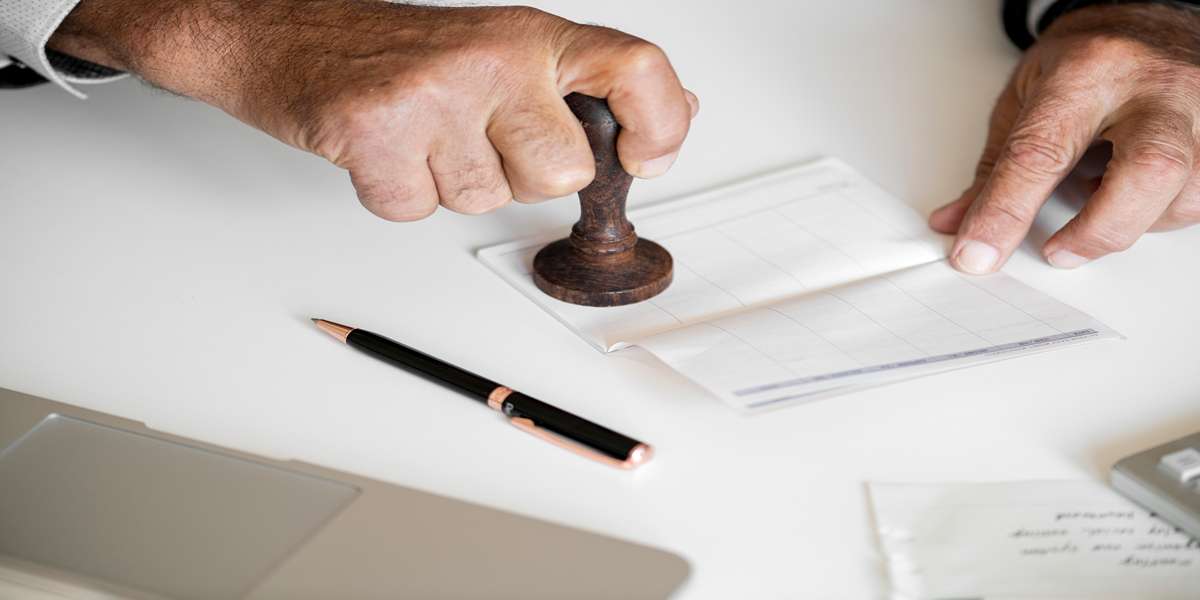
An apostille is a specialized certificate that authenticates the origin of a public document (like birth certificates, court orders, or notarized documents) for use in another country. It is issued under the terms of the 1961 Hague Convention Abolishing the Requirement of Legalisation for Foreign Public Documents. Hong Kong, as a Special Administrative Region of China, continues to apply the Hague Apostille Convention separately.
Why is an Apostille Needed in Hong Kong?
If you have a Hong Kong public document that must be presented in another country that is also a member of the Hague Apostille Convention (e.g., the USA, Japan, Germany, Australia), you will likely need an apostille. It simplifies the legalization process, replacing the more cumbersome chain of authentications.
Procedure in Hong Kong:
The High Court of Hong Kong is the designated Competent Authority for issuing apostilles.
1. Document Type: Ensure your document is a "public document." This includes:
· Original documents issued by Hong Kong government departments (birth/death/marriage certificates, company registry extracts).
· Documents notarized by a Hong Kong notary public (affidavits, powers of attorney, copies of passports).
· Official documents signed by certain other officials (e.g., court documents).
2. Submission: You or your legal representative must submit the original document (or a notarized copy) to the Apostille Section of the High Court Registry.
3. Processing: The Court verifies the signature/seal on the document. Once confirmed, they attach or stamp the apostille certificate onto the document.
4. Time & Cost: Processing is typically fast, often within one working day. Fees apply and should be confirmed on the Hong Kong Judiciary website.
Important Notes:
· For use in Mainland China: Since Mainland China is a member of the Hague Convention but applies it differently to Hong Kong, documents destined for the Mainland usually require a different process called "Legalisation" through the China Legalisation Office in Hong Kong, not a simple apostille.
· For use in non-Hague Convention countries: Full legalization through consulates or embassies is required.
Always check the specific requirements of the receiving country before proceeding.