The Hong Kong Company Seal: Legal Requirements

Hong Kong’s company seal requirements have changed significantly following the 2014 Companies Ordinance reforms, but confusion remains common among business owners. This guide explains what the law actually says, which seals you need, and how to manage corporate formalities effectively.


Under the previous Companies Ordinance (Cap. 32), every Hong Kong company was legally required to maintain a common seal with the company name engraved in legible characters. This metallic seal was essential for executing deeds, issuing share certificates, and other significant documents.


However, with the enactment of the new Companies Ordinance (Cap. 622) on 3 March 2014, the mandatory requirement was abolished. Section 124(1) of the new CO provides that keeping and using a common seal is now entirely optional. No Hong Kong company is legally required to obtain or use one.


What Is a Common Seal?


A common seal (also called a corporate seal) is a metallic embossing stamp used to authenticate business documents, leaving a raised impression on paper. It traditionally functions as the company’s formal physical signature on legal documents such as deeds, share certificates, and significant agreements.


If a company chooses to maintain a common seal, Section 124 of the Companies Ordinance sets two requirements: the seal must be metallic, and the company name must appear by engraving — not printing or labelling.


Alternative Methods of Document Execution


Since the 2014 reforms, companies can legally execute documents without any seal. Section 127(3) of the Companies Ordinance specifies the signature-based alternatives:


· For a company with only one director: the document may be signed by that sole director on the company’s behalf
· For a company with two or more directors: the document may be signed by two directors, or by one director together with the company secretary


A document signed in this manner has the same legal effect as if it had been executed under the company’s common seal. Even deeds can be executed without a seal using these signature methods.


Types of Company Stamps in Hong Kong


While not legally required, several types of stamps remain common in Hong Kong business practice:

Common Seal (Metal Embosser). The most formal execution tool, traditionally used for deeds and significant legal documents. Its use is optional and governed by the company’s Articles of Association.

Official Seal. Used by companies with operations outside Hong Kong, allowing a branch or representative office to execute documents on behalf of the head office.

Securities Seal. A specialised seal for issuing share certificates and securities, which may include additional security features.


Rectangular Company Chop (Signature Stamp). The most commonly used format in daily operations, typically including the phrase “For and on behalf of” followed by the company name and a space for an authorised signature. This stamp is generally used together with a director’s signature for contracts and formal correspondence.


Circular Company Chop. This stamp usually contains the company name only (in English, Chinese, or both) and is frequently used for administrative purposes, routine confirmations, and acknowledgements rather than formal execution.


Registration Requirements


Company stamps and chops in Hong Kong do not require registration with government authorities. They can be produced through commercial stamp makers. However, if a company chooses to adopt or cancel a common seal, the procedure is a matter for the company to decide, having regard to the applicable provisions in its Articles of Association and usual corporate practice.


Practical Considerations for Foreign Businesses


Although seals are not legally required, several practical reasons explain why many companies continue to use them:

Banking and Property Transactions. Local and overseas banks may still request stamped documents for account opening or loan purposes. Property transactions involving deeds often retain formal execution requirements.


Investor or Partner Preference. Some investors, particularly from traditional sectors, expect contracts or shareholder agreements to be stamped with an official seal.


Mainland China Connections. When dealing with partners in Mainland China, using a seal helps signal authenticity and meet regulatory expectations. In China, company chops are legally required for official business procedures.


Perceived Formality. A stamped document adds a layer of perceived authenticity and professionalism, particularly when dealing with Asian counterparties accustomed to chop usage.


Governance and Best Practices


If your company decides to maintain seals, proper governance is essential:

· Authorisation. Access should be restricted to authorised personnel, and its use governed by internal protocols. Misuse or unauthorised stamping can expose a company to legal risk.
· Board Resolution. A board resolution should specify when and how the seal can be used, such as requiring joint authorisation by two officers.
· Secure Storage. Keep the seal in a secure location, ideally under lock and key, and maintain a usage log to record when the seal is used, on which documents, and who witnessed the impression.


When to Choose a Common Seal


For most foreign founders setting up in Hong Kong, a common seal is not necessary. However, you may still want one if:

· Specific banks, investors, or overseas counterparties require it for certain documents
· Your business regularly engages with Mainland China entities
· You operate in traditional sectors where seals remain customary


The legal requirements for company seals in Hong Kong have been significantly relaxed since the 2014 Companies Ordinance reforms. While seals remain optional, understanding their proper use and governance is important for any company operating in or with Hong Kong. The decision to maintain a common seal should be based on practical business needs — primarily banking requirements, counterparty expectations, and cross-border operations — rather than legal obligation.

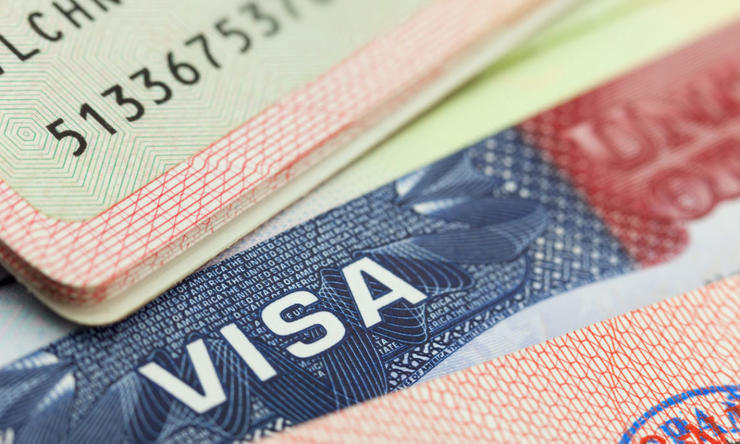
Who needs a Visa in Hong Kong?

Hong Kong is one of the world’s most accessible destinations, but whether you need a visa depends entirely on your nationality, the purpose of your visit, and how long you plan to stay. This guide will help you understand at a glance who needs a visa to enter Hong Kong.


🌍 General Rule: Visa-Free Access for Short Stays


For short-term visits such as tourism, business meetings, or visiting family, the majority of nationalities do not require a visa. According to the Hong Kong Tourism Board, nationals of most countries can enter visa-free, with permitted stays varying from 7 to 180 days, depending on the visitor’s nationality. Under this generous visa-free regime, citizens from the United Kingdom can stay for up to 180 days, while nationals from the United States, Canada, Australia, New Zealand, and Singapore are permitted to stay for up to 90 days.


Quick Reference: Visa-Free Stay Durations by Selected Nationality


Length of Stay Countries / Regions (Examples)
Up to 180 days United Kingdom
Up to 90 days United States, Canada, Australia, New Zealand, Singapore, most European Union countries, Chile
Up to 30 days Bahrain, Belarus, Bolivia, Brazil, Israel, South Africa
Up to 14 days Albania, Algeria, Bhutan, Benin, Bosnia and Herzegovina
Up to 7 days Passport holders of Mainland China (in transit)


🚨 Who Needs a Visa?


A visa or entry permit is required for any foreign national who does not benefit from the visa-free regime or whose planned activities fall outside of tourism or short business trips. Specifically, a visa is required in the following cases:

  1. Nationals of countries not on the visa-free list. This includes nations where no visa-free arrangement exists, such as Afghanistan, Bangladesh, Nepal, Nigeria, Pakistan, Somalia, Sri Lanka, and Vietnam.
  2. Long-term stays or specific purposes. Any person wishing to stay longer than the permitted visa-free period, or who intends to work, study, establish a business, or reside in Hong Kong, must obtain the appropriate visa or entry permit before traveling.
  3. Residents of Mainland China. Chinese citizens holding a People’s Republic of China passport must obtain an entry permit for stays exceeding 7 days or for purposes other than transit. Those holding a PRC Travel Document must obtain an entry permit regardless of the duration or purpose of their visit.

🔍 Special Cases and Exceptions


Beyond the standard rules, several special categories and streamlined processes are worth noting.


Indian Nationals — Pre-Arrival Registration (PAR)


Indian passport holders benefit from a simplified online process called Pre-Arrival Registration (PAR) . This system replaces the need for a traditional visa application for tourism purposes. It is free of charge, completed entirely online, and approval is typically granted within minutes to 48 hours. Successful applicants must print the confirmation slip and can stay in Hong Kong for up to 14 days.


APEC Business Travel Card (ABTC)


Business travelers can use the APEC Business Travel Card (ABTC) to greatly simplify their travel across the Asia-Pacific region. For short-term business visits, the ABTC generally allows holders to enter participating APEC economies, including Hong Kong, without needing an additional visa. The card is typically valid for 5 years and permits stays of 2 to 3 months per visit. It also provides access to special fast-track immigration lanes at major airports.


Visa on Arrival


While less common, a visa on arrival is generally not a standard entry method for Hong Kong. However, the situation is the opposite for Hong Kong residents: as of April 2026, 175 countries and territories have granted HKSAR passport holders either visa-free access or a visa on arrival. For instance, HKSAR passport holders can now obtain a visa on arrival in Sri Lanka for up to 30 days after pre-registering online for an Electronic Travel Authorization (ETA).


📄 How to Apply for a Hong Kong Visa


For those who require a visa, the application process is centralized and clear.


· Processing Time: The Immigration Department typically takes about 4 weeks to process a visit/transit visa application once all required documents are received.
· Application Form: The standard form for visit/transit is the ID 1003A. It can be downloaded from the Immigration Department’s website or obtained from Chinese diplomatic and consular missions abroad.
· Submission: Applications must be submitted to the Hong Kong Immigration Department or a Chinese embassy/consulate before traveling.


✈️ Tips for a Smooth Entry


To ensure a hassle-free arrival in Hong Kong, keep the following in mind:


· Check Official Sources: Always verify your specific visa requirements with official channels such as the Hong Kong Immigration Department website or the nearest Chinese embassy or consulate.
· e-Channel for Frequent Visitors: Frequent travelers who are eligible for visa-free entry and have visited Hong Kong without issues three or more times in the past 12 months can register to use the automated e-Channel for faster immigration clearance.
· No Arrival Card: All visitors are no longer required to complete or submit an arrival or departure card for immigration in Hong Kong, streamlining the process.


If you would like a more detailed look at a specific visa type — such as for work, study, or investment — feel free to let me know, and I can provide a more focused guide.

Virtual Office in China

For foreign entrepreneurs and companies looking to enter the Chinese market, the high cost of physical office space in major cities like Shanghai, Beijing, and Shenzhen can be a significant barrier. A 25-square-meter office in Shanghai’s central business district often costs upwards of US$2,000 per month. This is where virtual offices offer an attractive alternative, providing businesses with a prestigious address and essential administrative services at a fraction of the cost.


What Is a Virtual Office in China?


A virtual office provides a business with a professional address and administrative support without requiring a physical workspace. Services typically include:

· A prestigious business address in major Chinese cities
· Mail handling and forwarding
· A dedicated local phone number with professional call answering
· Access to meeting rooms and coworking spaces on an as-needed basis
· Administrative support services


It is important to note that “virtual office” in China does not mean a purely digital address. These offices are established in physical locations — often in centralised company registration areas or coworking spaces — that have been approved by local governments to serve as legal business addresses.


Legal and Compliance Considerations


One of the most critical aspects of using a virtual office in China is understanding the legal landscape. Under the PRC Company Law, every company must have a registered address corresponding to a legal entity.


City‑Specific Regulations: Acceptance of virtual offices varies significantly by region. Shanghai and Shenzhen are generally more flexible, while Beijing has become much stricter. In Beijing, the market regulator now requires a verifiable 25-digit property real estate code on any lease, and most inexpensive virtual addresses do not have one.


Compliance Risks: Failure to maintain a compliant registered address can lead to on‑site inspections, blacklisting, and restrictions on company operations. When selecting a virtual office, it is essential to confirm that it is:

· Officially filed with the Administration for Market Regulation (AMR)
· A physically existing location
· Authorised to be used as a registration address


VAT Refunds and Inspections: Businesses involved in import/export that wish to claim VAT refunds face additional scrutiny. Tax authorities may conduct on‑site inspections and typically require a physical office of at least 30 square metres, a lease registered with authorities (the official “red book”), local staff on payroll, and evidence of actual business activity.


Benefits of Virtual Offices in China


Cost‑Effectiveness


Virtual offices dramatically reduce overhead costs. Basic virtual office packages start from as low as ¥388 per month, while premium packages with full communication services range from ¥2,640 per month. This is significantly cheaper than leasing a traditional office, especially in prime locations.


Professional Business Image


A virtual office allows a company to have a mailing address in a prestigious CBD location — such as Beijing’s China Central Place, Shanghai’s Lujiazui financial district, or Shenzhen’s Futian District — without paying the full rent. This enhances credibility with clients and partners.


Flexibility


Virtual offices provide the ability to establish a presence in key markets without long‑term leases or large capital commitments. Many providers offer month‑to‑month terms and the ability to scale services up or down as business needs change.


Access to Meeting Facilities


Most virtual office packages include access to meeting rooms and coworking spaces on a pay‑as‑you‑go basis, allowing for face‑to‑face client meetings when needed.


Major Virtual Office Providers in China


Global Operators


Regus (IWG Group) — The world’s largest serviced office provider, operating in over 45 cities across China. Regus offers virtual office services that can be used for business registration and client接待, backed by a global network of more than 4,000 locations.


Servcorp — A premium provider with locations in prime buildings such as Beijing’s China Central Place and Shanghai’s Citigroup Tower. Their Platinum Virtual Office package includes a prestigious address, a local phone number with bilingual receptionist, mail handling, and four free days per month in a private office. Servcorp operates more than 150 locations across 23 countries, serving over 50,000 businesses.


WeWork — Since entering Greater China in 2016, WeWork has opened approximately 100 locations across major cities including Shanghai, Beijing, Guangzhou, Shenzhen, Hangzhou, Suzhou, and Chengdu. WeWork offers virtual office solutions alongside coworking and private office options.


Regional and Local Providers


Conson Group — Specialises in virtual office services connecting Hong Kong and mainland China, with branches in Shenzhen, Guangzhou, Shanghai, and Beijing. Packages start from US464 per month for a full communication package.


Choosing the Right Virtual Office Provider


Ask these critical questions before signing up:

  1. What is the exact location? — Verify the building and floor. The best providers are located in Class‑A office towers in central CBD districts. Ask to visit in person or request a video tour.
  2. Will the address be accepted for company registration? — Check with the local AMR. Different districts have different rules, and a cheap virtual address may be rejected outright.
  3. Who will answer my calls? — Find out whether receptionists are in‑house employees or outsourced, and whether you can meet them to assess their professionalism.
  4. What is the network quality? — Reliable, secure internet is essential. Inquire about ISP tier, uptime guarantees, and WiFi security measures.
  5. Is the pricing fully transparent? — Request a clear price list distinguishing monthly fees from any additional charges.

Practical Tips and Common Pitfalls


Verify the Provider: Always ensure the provider is legitimate and their address is officially registered with local authorities. Using an unlicensed provider can result in rejection of your company registration application.


Check Your Business Type: Certain industries — such as catering, healthcare, or manufacturing — require actual physical premises and cannot register with a virtual address.


Consider Your Exit Strategy: If you plan to claim VAT refunds or expand into import/export, factor in that you will eventually need a physical office that meets inspection requirements.


Stay Updated: Monitor regulatory changes that could impact the use of virtual offices in your chosen city. Rules that apply today may be tightened tomorrow.


Virtual offices in China offer a practical, cost‑effective pathway for startups, SMEs, and foreign companies to establish a presence in one of the world’s largest markets. However, success depends on carefully navigating the legal requirements, choosing a reputable provider, and understanding the specific rules of the city where you wish to register. With China’s flexible office space market projected to grow at a CAGR of over 5 percent through 2030, the virtual office model is likely to become an increasingly important tool for international business expansion.


By doing your due diligence and selecting a provider that offers a truly compliant registered address, you can enjoy the benefits of a prime business location without the prohibitive costs of traditional office space.

What is the Employer’s Return?

The Employer’s Return in Hong Kong is a statutory annual tax filing that the Inland Revenue Department (IRD) requires every employer to submit. Its primary purpose is to report all remuneration paid to employees and directors during the relevant tax year (which runs from 1 April to 31 March). This filing, consisting of forms BIR56A and IR56B, is the legal backbone for accurately assessing each employee’s Salaries Tax liability.


The filing isn’t a single document but is typically made up of two core components:


· BIR56A (the “cover letter”): A summary form confirming the employer’s filing status and making a legal declaration for all attached IR56B forms. Even if a company has no employees to report, it must still file a “nil” return by ticking the appropriate box on this form.


· IR56B (the “details form”): An individual form detailing the total income paid to each specific employee, including salaries, bonuses, commissions, allowances, and benefits in kind.


Core Filings and Key Deadlines


The IRD issues the annual Employer’s Return (BIR56A) on 1 April each year. Employers are generally required to complete and file the return, along with all IR56B forms, within one month of the issue date (so by early May). However, the employer’s obligations extend beyond the annual return. The table below outlines the key filing requirements throughout an employee’s lifecycle.


Form Purpose Who Must File Statutory Deadline


IR56E Notify IRD of a new employee Employer Within 3 months of start date

IR56F Report an employee leaving a job (but staying in HK) Employer No later than 1 month before cessation

IR56B Report annual remuneration details for each employee Employer Within 1 month of IRD issuing BIR56A (usually early May)

IR56G Report an employee leaving Hong Kong permanently Employer At least 1 month before departure; withhold final pay until a release letter is obtained

IR56M Declare payments to non-employee service providers (e.g., contractors, freelancers) Payer / Employer With BIR56A & IR56B—within 1 month of April issue


Consequences of Non-Compliance


Failing to meet these obligations can result in significant penalties. Under the Inland Revenue Ordinance, the consequences for late or incorrect filing can include:


· Financial Penalties: A fine of up to HK$10,000 per late or incorrect return.

· Daily Default Fines: Additional daily penalties may be imposed for continued non-compliance.

· Prosecution: Persistent failure can lead to prosecution, where a court may order the employer to comply within a specified timeframe.


Fulfilling Your Obligations


To avoid these penalties, employers must adhere to best practices. Proactive compliance is key and involves:

· Maintaining Accurate Records: The IRD requires employers to keep payroll records for at least seven years. This includes salary histories, MPF contribution records, bonus payouts, and employment contracts.

· Complete Reporting: Employers must report remuneration for all employees whose total income exceeds the specified limit, regardless of whether the employee’s services were rendered in or outside Hong Kong.

· Timely Filing: The most crucial step is to adhere to the filing deadline—within one month of the IRD’s notice.


How to File Your Employer’s Return


The IRD has moved towards a fully digital system and ceased accepting submissions via storage devices (e.g., USB drives) from 1 April 2024. Employers are now strongly encouraged to file online using the eTAX platform and the IR56 Forms Preparation Tool, which can be used starting 1 March each year to prepare for the filing season. This web-based tool requires no installation and allows employers to upload data files containing multiple IR56 forms.

How to Choose a Name for Your Company

Choosing a name for your Limited Liability Company (LLC) is one of the most critical decisions you’ll make as a business owner. It’s more than just a legal necessity – it’s the foundation of your brand identity, the first impression customers will have, and a key asset that will grow in value alongside your business.


Step 1: Understand the Two Types of Business Names


Before you begin brainstorming, it’s crucial to understand that your business has two distinct identities from a legal and branding perspective.


Legal Company Name

This is the official name registered with the government. It includes your legal structure (e.g., “Gesellschaft mit beschränkter Haftung” or “GmbH” in German-speaking jurisdictions, “ООО” in Russia, “Ltd” in the UK, or “LLC” in the US). This name appears on contracts, invoices, bank accounts, and all official documentation.


Brand Name (Commercial Designation / Trademark)

This is the name customers know you by. It’s the public-facing identity you use in marketing, on your website, and on your packaging. While your legal name might be “Fresh Bites LLC,” your brand name could simply be “Fresh Bites.” In many cases, they can be the same, but they don’t have to be.


You will register your legal company name first. Later, you can register a trademark for your brand name for stronger legal protection.


Step 2: Strategic Preparation Before Brainstorming


Jumping straight into creative name generation without a strategy often leads to wasted time. Start by defining these foundational elements:


✅ Understand Your Audience

Who are your ideal customers? A name that resonates with teenagers will be very different from one targeting corporate clients.

✅ Analyze Your Competitors

Research at least 30-50 names in your industry. Make a list of common patterns, overused suffixes (e.g., “-tech”, “-solutions”, “-group”), and specific words. Your goal is not to copy but to stand out distinctively within the market.

✅ Define Your Brand Personality

List 3-5 adjectives that describe your brand’s tone. Is it professional and trustworthy? Is it playful and energetic? Is it luxurious and exclusive? Use these adjectives as a “filter” for your name ideas.


Step 3: Brainstorming Techniques and Naming Directions


Armed with your strategy, it’s time to generate name ideas. Choose a primary direction from the four most common types:


I. Descriptive Names

These names clearly state what your business does.

· Pros (+): Easy for customers to understand immediately.

· Cons (-): Often less distinctive, harder to trademark, and can be too limiting.

· Examples : The Home Depot, The Weather Channel, ООО «Техноконсультация».

II. Evocative (Suggestive) Names

These names use metaphor, imagery, or associations to suggest a feeling or benefit related to your business without directly describing it.


· Pros (+): Memorable, distinctive, and provides a strong platform for branding.

· Cons (-): May require more marketing effort to explain.

· Examples: Apple, Amazon, Nike

III. Invented (Fanciful) Names

These are completely made-up words with no existing meaning. They are the strongest type of trademark.

· Pros (+): Highly distinctive, easily trademarkable, with no pre-existing associations.

· Cons (-): Can be difficult to pronounce and spell, requiring significant investment in brand education.

· Examples: Google, Kodak, Spotify


IV. Founder-Based Names

These names use the founder’s surname.

· Pros (+): Personal, builds trust, and leverages the founder’s reputation.

· Cons (-): May not be scalable or valuable if the founder leaves, and can be hard to sell later.

· Examples 例子: Hilton (Conrad Hilton), Ford (Henry Ford)


Generation Methods

· Association Mapping : Write down all words associated with your business’s feeling, values, and benefits.

· Word Blending: Combine two relevant words.

· Prefixes/Suffixes : Add prefixes like “Omni-“, “Neo-“, or “Hyper-” to your base words。

· Use a Name Generator: Online AI tools can provide initial inspiration.


Step 4: The Legal Checklist (Crucial!)

This is the non-negotiable part. Many creative names are rejected or lead to legal trouble. Make your life easier by running through this checklist.


For Legal Company Names

☐ Include Legal Suffix : Your legal name must include your jurisdiction’s official designation indicating limited liability status, such as “ООО” in Russia, “GmbH” in Germany, “Ltd” in the UK, or “LLC” in the US.


☐ Avoid Activity-Only Names: The name cannot consist solely of words describing your business activity, like (LLC “Sewing Production”). It must be distinctive.


☐ Avoid Restricted Words : Many jurisdictions prohibit words that suggest a connection with government (e.g., “Federal,” “State”), international organizations (e.g., “UNESCO,” “Olympic”), and offensive or immoral terms. Regulated terms like “Bank,” “Insurance,” or “Architect” require special approval


Choosing the perfect name for your LLC is a balance of creativity, strategy, and legal diligence. A truly great name is memorable, reflects your brand’s core values, and is legally defensible. By following this step-by-step framework, you’ll avoid common pitfalls and build a solid foundation for your brand’s long-term success.

NAR1 in Hong Kong

An NAR1 filing in Hong Kong might seem like routine paperwork, but missing the deadline carries consequences that escalate from simple registration surcharges to serious criminal penalties and the potential dissolution of your company.

What Exactly Is the NAR1?

The NAR1 (Annual Return) is a statutory filing that every Hong Kong company must submit to the Companies Registry each year. It captures a “snapshot” of your company’s key information at a specific point in time, including the registered office address, share capital structure, and details of directors, shareholders, and the company secretary. Crucially, the NAR1 is not the same as a Profits Tax Return (filed with the Inland Revenue Department); these are separate obligations with distinct deadlines and consequences.


🗓 The Filing Deadline: A Strict 42-Day WindowThe law mandates that the NAR1 must be filed within 42 days after the anniversary of your company’s incorporation date. This deadline includes Sundays and public holidays. If the 42nd day falls on a Sunday or a public holiday, the deadline moves to the next working day. However, if the 42nd day is a Saturday, the deadline remains that Saturday, though you may need to use the drop-in box or file electronically. The normal registration fee for filing on time is just HK$105 for a private company.


💸 The Penalty Structure: The True Cost of a Late Filing


Once you miss the 42-day window, the consequences start to escalate through a tiered penalty system. For a private limited company, the late registration fees are as follows:


Delay Period (After Anniversary) Late Registration Fee (HK$)

Within 42 days (On-time) HK$105

More than 42 days but within 3 months HK$870

More than 3 months but within 6 months HK$1,740

More than 6 months but within 9 months HK$2,610

More than 9 months HK$3,480

Source: Companies Registry & Pinetree

These late fees replace the standard HK1,200 to HK$4,800.


⚖ Criminal Prosecution: Beyond Monetary Penalties


The financial penalties above are only the beginning. Failure to file an annual return within the prescribed time period is a criminal offence. Upon prosecution and conviction, the company and every responsible officer (typically the directors and company secretary) face a maximum fine of HK1,000 for every day the offence continues.


⚠ Being Struck Off: The Ultimate Consequence


Persistent non-compliance can lead to the Registrar of Companies taking the most severe step: striking the company off the register. A company that has been struck off is effectively dissolved; it can no longer operate legally, enter into contracts, hold a bank account, or conduct any business in Hong Kong.


🔧 A Path to Redemption: Restoration from Dissolution


If your company has already been struck off, it’s not necessarily the end of the road. You can apply for administrative restoration to revive the company. This process involves a non-refundable government fee of HK$2,700. To succeed, all outstanding government fees, penalties, and expenses incurred during the period of dissolution must be fully settled by the applicant.


💡 What to Do If Your Filing Is Already Late


If you realize you’ve already missed the deadline, don’t panic. Here’s a practical action plan:·


File Immediately: The longer you wait, the higher the penalty tier you will fall into. Submit the late NAR1 as soon as possible to stop the escalation.·

Apply for Penalty Waiver (Appeal): You may be able to get the late fees waived, particularly for a first-time or minor offense (e.g., less than 60 days late).

File a formal appeal with the Companies Registry:

· Submit a written application with a clear explanation, evidence, and proof of subsequent compliance. ·

Applications must be submitted within 28 days of the penalty notice. ·

Enclose the completed NAR1, payment proof, and supporting documents. ·

Mail by registered post to the Companies Registry (email not accepted).


Appeals have a success rate of about 67% when well-prepared with clear evidence of efforts to comply.


💎 Summary: Action and Awareness


Filing the NAR1 on time is a fundamental compliance duty for any Hong Kong company.

The costs of delay—both financial and legal—can be significant.

However, if you find yourself in breach, immediate action to file late returns, coupled with a well-prepared penalty waiver application, can help mitigate the damage and potentially lead to a successful restoration of your company’s good standing.It’s always wise to consult with a qualified company secretary or corporate services provider to ensure you meet all your statutory obligations accurately and on time.

Why It’s Profitable to Do Business in China

China is not just the world’s second-largest economy – it is an unmatched manufacturing powerhouse, a hyper-competitive innovation lab, and home to over 1.4 billion consumers. For entrepreneurs and established companies alike, doing business in China offers clear and measurable advantages.


1. Unrivaled supply chains and manufacturing efficiency

No other country offers the same density of suppliers, raw materials, logistics, and skilled labour. From electronics to apparel, you can source components within hours and scale production rapidly. This reduces lead times, lowers inventory costs, and gives businesses a direct cost advantage.

2. The world’s largest middle class

With over 400 million middle-income consumers – a number still growing – China’s domestic market is enormous. Rising disposable incomes drive demand for premium products, health services, education, and digital entertainment. Once you enter this market, the addressable customer base is larger than the entire population of the United States.


3. Government support and free trade zones

China has hundreds of pilot free trade zones (FTZs) offering simplified customs, tax incentives, and faster approvals for foreign companies. In addition, national policies in high-tech, green energy, and biotech provide subsidies, R&D support, and patent protection, making it easier to operate profitably.


4. Fast digital ecosystem

China is a global leader in mobile payments (WeChat Pay, Alipay), e-commerce (Taobao, JD.com, Pinduoduo), and social commerce. Businesses can reach customers directly through super-apps and live-streaming, with lower customer acquisition costs than in many Western countries. Digital infrastructure is so advanced that a new brand can launch, sell, and collect payments within 48 hours.


5. Cost-performance labour and innovation talent

While wages have risen, China still offers excellent value: highly educated engineers, designers, and supply chain managers at a fraction of Western salaries. Shenzhen, Shanghai, and Beijing produce more STEM graduates than any other region on earth. You get world-class talent without paying Silicon Valley prices.


6. The Belt and Road Initiative (BRI)

For businesses looking beyond China, the BRI opens trade corridors to Southeast Asia, Central Asia, Africa, and Europe. Being based in China gives you a gateway to over 150 countries with preferential logistics and trade agreements.


From cost control and speed to market access and innovation, China remains one of the most profitable places to build or expand a business. The key is to partner locally, adapt to digital tools, and navigate regulations with proper guidance. But for those who do, the returns can be extraordinary.

The Essential Annual Return for Hong Kong Companies

If you operate a company in Hong Kong, understanding the NAR1 form is crucial for maintaining good legal standing. This document represents one of the most important statutory filing requirements under the Hong Kong Companies Ordinance. This article explains what NAR1 is, why it matters, and how to ensure compliance.

What is NAR1?

NAR1 is the specified form for the Annual Return that every Hong Kong-incorporated company must file with the Companies Registry each year . It is a statutory document that provides a snapshot of your company’s key information as at a particular date, known as the “return date” .

The form is legally required under Section 662 of the Hong Kong Companies Ordinance (Cap. 622), and filing it is mandatory regardless of whether your company has been actively trading during the year .

Purpose of the Annual Return

The Annual Return serves several important functions:

· Maintaining public records – It keeps the information on the public register accurate and up to date
· Ensuring transparency – Banks, investors, and business partners often check these records to verify a company’s legitimacy
· Supporting business transactions – An up-to-date Annual Return is frequently required for share transfers, licence applications, bank loans, and government grant applications

It is important to note that the Annual Return (NAR1) is not the same as a tax return. While the NAR1 goes to the Companies Registry, tax returns are filed separately with the Inland Revenue Department .

What Information Does NAR1 Contain?

The NAR1 form captures comprehensive details about your company’s structure and leadership :

· Company particulars: Legal name, registration number, and registered office address (must be a physical Hong Kong address, not a P.O. Box)
· Principal business activities: A brief description of the main business activities
· Director details: Full names, correspondence addresses, and identification document numbers
· Company secretary information: Details of the person or firm fulfilling this statutory role
· Shareholder information: Names of members and details of shareholdings
· Share capital structure: Information about the company’s share capital

Filing Deadlines

The deadline for filing NAR1 depends on your company type :

Company Type Return Date Filing Deadline
Private companies Anniversary of incorporation Within 42 days after the return date
Public companies 6 months after accounting reference period end Within 42 days after the return date
Companies limited by guarantee 9 months after accounting reference period end Within 42 days after the return date

Important: Sundays and public holidays count when calculating the 42-day period. However, if the 42nd day falls on a Sunday or public holiday, the deadline extends to the next working day . The Companies Registry does not send reminders, so companies must track their own deadlines .

Fees and Penalties

The registration fee varies based on how promptly you file :

Filing Timing Fee for Private Companies
Within 42 days HK$105
43 days to 3 months late HK$870
3 to 6 months late HK$1,740
6 to 9 months late HK$2,610
More than 9 months late HK$3,480

Consequences of non-compliance extend beyond fees :

· The company and every responsible officer may be prosecuted
· Maximum penalty can reach HK$50,000 plus a daily default fine of HK$1,000 for continuing offences
· Persistent non-filing can lead to the company being struck off the register

How to File NAR1

There are two methods for filing :

Electronic Submission (Recommended)

1. Register for the e-Services Portal on the Companies Registry website
2. Complete the web forms online
3. Review and sign digitally
4. Pay the fee electronically

Physical Delivery

1. Download Form NAR1 from the Companies Registry website
2. Complete it accurately (in English or Chinese)
3. Have it signed by a director or the company secretary
4. Deliver by post or in person to the Companies Registry at 14th Floor, Queensway Government Offices
5. Include a crossed cheque payable to “Companies Registry”

Important tips :

· Original “wet” signatures are required for paper filing (electronic signatures not accepted)
· Forms with incorrect fees will be rejected as “unsatisfactory”
· Documents are not considered filed until received by the Registry

The Role of Company Secretary

Every Hong Kong company must appoint a company secretary, who plays a crucial role in the NAR1 filing process :

· Ensuring the form is completed accurately
· Meeting statutory deadlines
· Maintaining proper statutory records
· Advising on compliance requirements

The company secretary can be an individual resident in Hong Kong or a licensed corporate services provider .

Recent Updates

The NAR1 form is periodically updated. As of May 2025, revisions have been made to accommodate the new company re-domiciliation regime. Companies should always use the most current version of the form, available from the Companies Registry website .

Filing the NAR1 Annual Return is a fundamental compliance obligation for Hong Kong companies. Timely and accurate filing:

· Keeps your company in good legal standing
· Avoids escalating penalties
· Maintains transparency with stakeholders
· Ensures smooth business operations

Given the strict deadlines and potential consequences of non-compliance, many companies engage professional company secretaries or corporate service providers to manage this process efficiently .

Understanding Shares in a Hong Kong Company

Shares form the foundation of company ownership in Hong Kong. Whether you are an entrepreneur incorporating a new business, an investor considering opportunities, or simply trying to understand corporate structures, grasping how shares work in Hong Kong is essential. This article explains the concept of shares, the different types available, and the key regulations governing them under Hong Kong law.

What Are Shares?

A share represents a unit of ownership in a company . When you purchase shares in a Hong Kong company, you are buying a portion of that business. Shares are legally defined as “personal property” under the Hong Kong Companies Ordinance (Cap. 622) and are transferable according to the company’s articles of association .

Shareholders (also called members) are the owners of the company, and their rights and obligations are determined by:

· The Companies Ordinance
· The company’s Articles of Association (the internal rulebook)
· The terms of issue for specific classes of shares

Key Concepts in Hong Kong Share Capital

Issued Share Capital vs. Authorised Share Capital

Historically, Hong Kong companies had an “authorised share capital” (the maximum shares they could issue). However, for companies incorporated after the new Companies Ordinance came into effect in 2014, the concept of authorised share capital no longer exists .

Instead, Hong Kong companies now operate with:

· Issued share capital: The actual shares that have been allotted and issued to shareholders
· Unissued share capital: Shares that the company can issue in the future without any upper limit (unless restricted by the Articles of Association)

For companies incorporated before 2014, the authorised share capital concept may still appear in their constitutional documents, though they can choose to remove it.

Par Value vs. No-Par Value

Another significant change in 2014 was the abolition of par value for shares . Previously, shares had a nominal value (e.g., HK$1 per share). Now, shares in Hong Kong have no par value, meaning:

· Shares can be issued at any price determined by the directors
· The concept of “share premium” (previously the amount paid above par value) no longer applies
· It is easier to value and issue shares flexibly

Types of Shares in Hong Kong Companies

Hong Kong companies enjoy considerable flexibility in structuring their share capital. The most common types include:

1. Ordinary Shares

Ordinary shares are the standard type of shares issued by most companies . Holders typically have:

· Voting rights at general meetings (one vote per share usually)
· Rights to receive dividends declared by the company
· Rights to participate in surplus assets upon winding up

Most private companies in Hong Kong issue only ordinary shares to their founders and investors.

2. Preference Shares

Preference shares carry special rights, typically relating to dividends or capital repayment . These shares often:

· Entitle holders to a fixed dividend before ordinary shareholders receive anything
· May be cumulative (unpaid dividends accumulate) or non-cumulative
· Might have priority repayment of capital if the company winds up
· Often carry limited or no voting rights

Preference shares are commonly used for attracting investors who want predictable returns without management control.

3. Redeemable Shares

Some shares are issued as redeemable shares, meaning the company can buy them back at a future date . This can be useful for:

· Providing an exit path for investors
· Allowing employees to sell shares back when leaving the company
· Managing share capital structure efficiently

The company’s Articles of Association must permit redeemable shares, and specific procedures under the Companies Ordinance must be followed for redemption.

4. Shares with Special Rights

Hong Kong law allows companies to create shares with customised rights . For example:

· Weighted voting rights: Some shares may carry multiple votes per share (though this is rare in listed companies due to listing rules)
· Dividend rights: Different classes may receive different dividend rates
· Conversion rights: Shares that convert into another class upon certain events

Rights Attached to Shares

While specific rights vary by class, shareholders in Hong Kong companies generally enjoy certain fundamental rights:

Financial Rights

· Dividends: The right to receive declared dividends (proportionate to shareholding unless otherwise specified)
· Capital distribution: The right to a share of surplus assets if the company winds up

Control Rights

· Voting: The right to vote at general meetings on matters such as:
 · Electing and removing directors
 · Approving major transactions
 · Amending the Articles of Association
 · Winding up the company
· Information: The right to receive financial statements and the annual report

Protective Rights

· Pre-emptive rights: Unless waived in the Articles, existing shareholders often have the right of first refusal when new shares are issued (maintaining their ownership percentage)
· Inspection rights: Limited rights to inspect statutory records at the registered office

Transfer of Shares

Shares in Hong Kong companies are transferable, but the mechanism depends on whether the company is private or public:

Private Companies

Most private companies restrict share transfers through their Articles of Association . Common restrictions include:

· Directors having discretion to refuse to register a transfer
· Pre-emptive rights requiring shares to be offered to existing shareholders first
· Board approval requirements

Public Companies

Shares in public companies (especially listed companies) are freely transferable through the Stock Exchange of Hong Kong, subject to securities regulations.

Share Transfer Process

The typical process involves:

1. Executing a share transfer instrument (Form J or similar)
2. Paying any applicable stamp duty (currently 0.2% of consideration or value, shared equally by buyer and seller)
3. Lodging the instrument with the company for registration
4. Updating the register of members

Share Certificates and Registers

When shares are issued or transferred, Hong Kong companies must:

Issue Share Certificates

Within 2 months of allotment or transfer, the company must issue a share certificate . This document evidences ownership and includes:

· Company name and registration number
· Shareholder’s name
· Number and class of shares
· Amount paid (if any)

Maintain a Register of Members

Every Hong Kong company must keep a register of members containing :

· Names and addresses of shareholders
· Number and class of shares held
· Amount paid on shares
· Dates of becoming and ceasing to be a member
· Share transfer details

The register must be kept at the registered office or another location in Hong Kong and is open for inspection (with some limitations for private companies).

Practical Considerations

Minimum Share Capital Requirements

Hong Kong has no minimum share capital requirement for most private companies . Companies can be incorporated with just HK$1 of issued share capital, making Hong Kong highly accessible for entrepreneurs.

However, practical considerations often lead to higher issued capital:

· Credibility with banks and business partners
· Visa applications (e.g., Investment Visa requires significant capital)
· Industry-specific licensing requirements

Allotment of New Shares

When a company issues new shares, directors must comply with:

· Directors’ duties: Acting in good faith and in the company’s best interests
· Pre-emptive rights: Unless disapplied in the Articles
· Filing requirements: Form NSC1 must be filed with the Companies Registry within 1 month of allotment

Shareholder Agreements

While not legally required, many Hong Kong companies supplement their Articles with a shareholders’ agreement. This private contract can address:

· How decisions are made
· Deadlock resolution mechanisms
· Dividend policies
· Restrictions on share transfers
· Exit strategies

Shares in Hong Kong companies represent flexible ownership units governed by the Companies Ordinance and each company’s constitutional documents. Key points to remember:

Aspect Key Feature
Legal basis Companies Ordinance (Cap. 622)
Par value No par value system (post-2014)
Minimum capital No statutory minimum
Main types Ordinary, preference, redeemable
Transfer Freely transferable but often restricted in private companies
Stamp duty 0.2% on share transfers
Record-keeping Register of members and share certificates required

Whether you are starting a business, bringing in investors, or restructuring ownership, understanding shares is fundamental to navigating Hong Kong’s corporate landscape. Professional advice from lawyers, accountants, or company secretaries is recommended when making significant decisions about share capital.

The Hong Kong Identity Card


For any director operating a company in Hong Kong, understanding the local regulatory landscape is paramount. Central to this is the Hong Kong Identity Card (HKID) . Mandated by the Registration of Persons Ordinance, all Hong Kong residents aged 11 or over—including those directors who have been permitted to stay for more than 180 days—are required to register for an identity card . For a company director, the HKID is indispensable for everything from signing legal documents and opening corporate bank accounts to daily interactions with government departments like the Inland Revenue Department and the Companies Registry.

What is the Smart Identity Card?

Since 2003, Hong Kong has issued its identity cards in the form of advanced smart cards. The current version, in circulation since 26 November 2018, is made from durable polycarbonate material and is embedded with an integrated circuit chip . This “chip” stores and processes the data printed on the card, enabling high security and convenient functions.

There are two main types of smart identity cards :

· Hong Kong Permanent Identity Card: This states that the holder has the right of abode in the Hong Kong Special Administrative Region (HKSAR).
· Hong Kong Identity Card: This card is issued to residents who do not have the right of abode. Their stay in Hong Kong may or may not be limited by the Director of Immigration.

For directors who have lived in Hong Kong for a continuous period of seven years, becoming a permanent resident and obtaining the Permanent Identity Card is a significant milestone.

Key Features of the New Smart Identity Card

The new smart identity card, issued since late 2018, incorporates several enhancements beneficial for the modern business executive :

· Enhanced Security and Durability: The polycarbonate material is resistant to environmental, mechanical, chemical, and thermal stress. Sophisticated security features make it extremely difficult to forge .
· Contactless Chip Technology: Unlike the older cards, the chip on the new card is located on the back and features a contactless interface, allowing for faster and more convenient data reading .
· Travel Convenience (e-Channels): The card stores fingerprint templates, allowing holders to use the Automated Passenger Clearance System (e-channels) for fast and efficient immigration clearance at control points .
· Visual Indicators for the Visually Impaired: The last six digits of the ID card number are printed in braille on the back of the card .

Decoding Your Card: Important Symbols

For a director, the symbols on the front of the card immediately communicate your residency status to authorities and financial institutions. Key symbols include :

Symbol Description
Residential Status
A Holder has the right of abode in the HKSAR (Permanent Resident).
C Holder’s stay in Hong Kong was limited by the Director of Immigration at the time of registration.
R Holder has the right to land in the HKSAR.
U Holder’s stay in Hong Kong was not limited by the Director of Immigration at the time of registration.
Re-entry Permit Eligibility
*** Holder is aged 18 or over and is eligible for a HKSAR Re-entry Permit.
* Holder is aged between 11 and 17 and is eligible for a HKSAR Re-entry Permit.
Other Indicators
B The reported date or place of birth has been changed since first registration.
N The reported name has been changed since first registration.

Note: The digit or alphabet in brackets on your card number (e.g., the “5” in 1234567(5)) is not part of the identity card number; it is used for computer data processing .

Registration and Replacement Obligations for Directors

Understanding your obligations is crucial to avoid penalties.

· New Arrivals: If you are a new arrival in Hong Kong aged 18 or over and have been permitted to stay for more than 180 days, you must register for an identity card within 30 days of your arrival .
· Turning 18: If you hold a juvenile identity card (issued between ages 11-17), you must apply for an adult identity card within 30 days following your 18th birthday .
· Lost or Damaged Cards: As a director, your ID is vital. If your card is lost, destroyed, damaged, or defaced, you are legally required to apply for a replacement within 14 days. If you are outside Hong Kong when it happens, you must apply within 14 days of your return .
· Change of Residency Status: If your condition of stay in Hong Kong changes (e.g., you are granted permanent residency), you are required to apply for a new card reflecting this status .

The Application Process: A Step-by-Step Guide

The application process is streamlined but requires attention to detail. The processing time for a new identity card is typically 5 working days. In most cases, you can collect it on the next working day after processing is complete .

Step 1: Make an Appointment
The Immigration Department strongly encourages booking appointments. You can book online via GovHK (www.gov.hk/icbooking) , the Immigration Department Mobile App, or the 24-hour telephone booking system at (852) 2598 0888. Appointments can be made for dates up to 96 working days in advance .

Step 2: Prepare the Required Documents
You will need to bring the originals of:

· The completed application form (can be pre-filled online).
· Your existing identity card (if any).
· Proof of your right to stay in Hong Kong (e.g., visa label, extension of stay slip). This is especially important for non-permanent residents.

Step 3: Visit a Registration of Persons Office
Attend your appointment at the designated office. The process involves:

· Submitting your documents.
· Capturing your fingerprints (left and right thumb prints).
· Taking a photograph. (Check the Immigration Department’s guidelines for photo tips, e.g., avoid hair across eyes, head coverings, or reflection on glasses) .

Step 4: Collect Your New Card
After submitting your application, you will be given an acknowledgment receipt. You must return to the same office (or use the Personal Documentation Collection Kiosk at the Tseung Kwan O Immigration Headquarters, if eligible) to collect your new card in person or via an authorized representative within the specified collection period .

Business and Practical Advantages for Directors

Beyond its role as a legal document, the HKID unlocks significant business advantages, particularly regarding tax and talent management .

· Tax Optimization: For directors who are also tax residents, Hong Kong’s territorial source principle of taxation means that only income sourced in Hong Kong is taxed. This is a powerful tool for legal tax planning for your global income. Profits tax for corporations is also competitively low (a two-tiered system with rates as low as 8.25% on the first HKD 2 million of assessable profits) .
· Business Travel & Talent Retention: A HKSAR Passport, which you are eligible for as a permanent resident, offers visa-free or visa-on-arrival access to over 170 countries and territories, facilitating international business travel. As a director, understanding the HKID process also helps you guide expatriate employees through their own registration, aiding in talent retention.
· Access to e-Government Services: The smart ID card is the foundation for delivering electronic government services, allowing for seamless interaction with various departments online and through self-service kiosks .

For a company director in Hong Kong, the Hong Kong Identity Card is an indispensable asset. It is your passport to compliance, your key to efficient business operations, and your gateway to the unique advantages of living and working in one of the world’s premier financial hubs. Ensuring you have the correct card and that it is kept up-to-date is not just a legal duty but a fundamental part of your professional standing in the HKSAR.